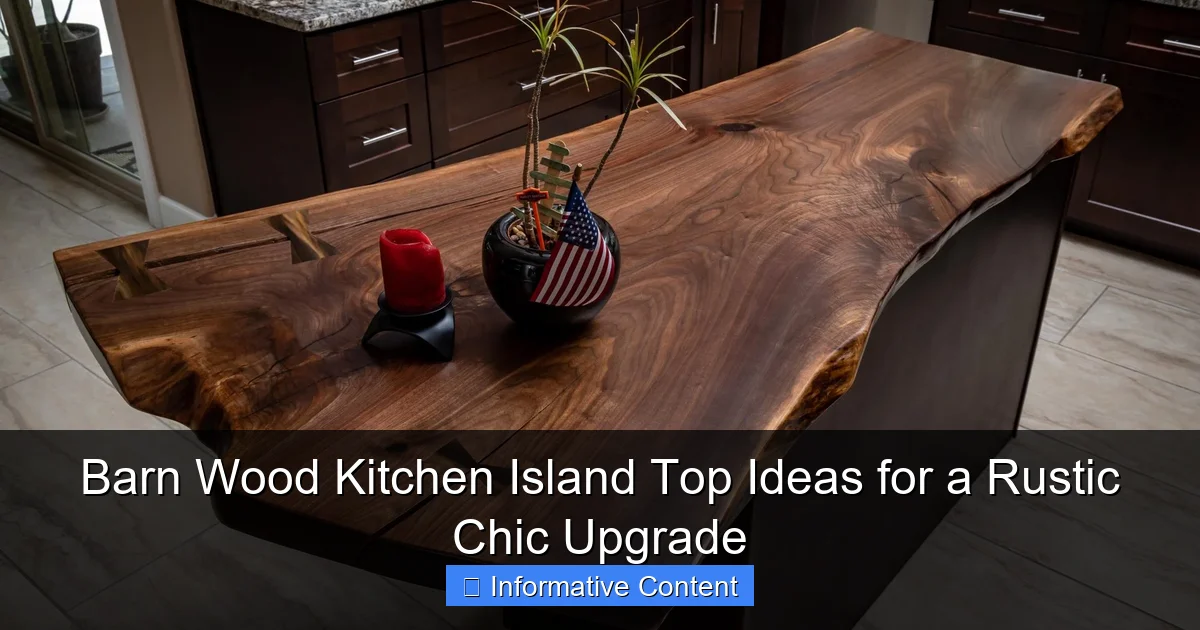
Featured image for barn wood kitchen island top
Image source: porterbarnwood.com
Transform your kitchen with a barn wood island top that blends rugged charm and timeless elegance for a true rustic chic upgrade. Each reclaimed wood top offers unique grain patterns, weathering, and character, making your island a one-of-a-kind centerpiece while promoting sustainable design. Durable, eco-friendly, and effortlessly stylish, it’s the perfect way to infuse warmth and authenticity into modern or farmhouse kitchens.
Key Takeaways
- Choose reclaimed barn wood for authentic texture and eco-friendly appeal.
- Seal thoroughly to protect against stains, moisture, and daily wear.
- Pair with modern hardware to balance rustic charm and functionality.
- Highlight natural imperfections like knots and nail holes for character.
- Use a live edge for a striking, organic focal point.
- Match finish to decor—matte for rustic, glossy for contemporary contrast.
📑 Table of Contents
- The Rustic Heart of Your Kitchen: Why a Barn Wood Island Top Is the Ultimate Upgrade
- What Makes Barn Wood So Special? The Story Behind the Grain
- Designing Your Barn Wood Kitchen Island Top: Style, Size, and Shape
- DIY vs. Hiring a Pro: What’s Right for You?
- Maintaining Your Barn Wood Island: Care Tips for Longevity
- Barn Wood Island Top Ideas: Inspiration for Every Style
- Final Thoughts: Is a Barn Wood Island Top Right for You?
The Rustic Heart of Your Kitchen: Why a Barn Wood Island Top Is the Ultimate Upgrade
Imagine walking into your kitchen and being greeted by the warm, weathered glow of a barn wood island top. It’s not just a surface for chopping veggies—it’s a statement. A story. A slice of history that adds soul to your space. That’s the magic of barn wood: it turns a functional kitchen island into a rustic chic centerpiece that feels both timeless and deeply personal.
I remember visiting a friend’s renovated farmhouse a few years ago. Their kitchen had modern appliances, sleek cabinetry, and… a stunning barn wood island top. The contrast was electric. The grain told tales of sun, rain, and decades of use. It wasn’t just beautiful—it made the whole room feel grounded, like the kitchen had roots. That’s when I realized: barn wood isn’t just a trend. It’s a design choice that bridges the past and present, adding character to even the most contemporary spaces.
What Makes Barn Wood So Special? The Story Behind the Grain
Why Reclaimed Wood Tells a Story
Barn wood isn’t just old wood—it’s wood with a past. Sourced from deconstructed barns, stables, and old farmhouses, each plank carries the marks of time: nail holes, saw marks, and subtle warping from decades of exposure. These “imperfections” aren’t flaws; they’re the essence of its charm. Unlike new lumber, barn wood has a patina that can’t be faked. It’s like a well-worn leather jacket—each scratch adds depth, each groove whispers history.

Visual guide about barn wood kitchen island top
Image source: i2.wp.com
For example, a friend of mine used wood from a 1920s dairy barn for her island. The original paint (a faded barn red) peeked through in places, creating a two-tone effect that became the kitchen’s focal point. It’s this unpredictability that makes barn wood so special: no two pieces are alike, and no two island tops will ever be identical.
Types of Barn Wood: From Oak to Pine and Beyond
Not all barn wood is created equal. The species matters—not just for aesthetics, but for durability and maintenance. Here’s a quick guide:
- Reclaimed White Oak: Dense, water-resistant, and often features rich, honey-brown tones. Ideal for high-traffic kitchens. It’s pricier but worth it for longevity.
- Pine: Lighter in color (creams and pale yellows) and softer, making it easier to work with. However, it dents more easily and may require extra sealing. Great for a “softer” rustic look.
- Chestnut: Rare and prized for its deep grain and resistance to rot. Often has a silvery-gray patina. A splurge, but stunning for a showstopper island.
- Hemlock: Affordable and lightweight, but less durable. Best for low-use islands or if you’re on a budget.
Pro tip: Always ask your supplier for the wood’s origin and age. Older wood (pre-1950s) tends to be denser and more stable. Also, check for signs of past treatments—some barns used creosote (toxic) or arsenic-based pesticides. Reputable dealers will provide safety certifications.
The Environmental Edge: Why Barn Wood Is a Sustainable Choice
Choosing barn wood isn’t just about style—it’s an eco-conscious decision. Reclaimed wood reduces demand for virgin timber, cuts down on landfill waste, and avoids the carbon footprint of new lumber production. A study by the Environmental Building News found that using reclaimed wood can lower a project’s embodied energy by up to 70% compared to new materials.
Plus, barn wood often comes from old-growth trees—slow-growing giants with tighter grain and superior durability. It’s a win-win: you’re getting a unique, high-quality material while helping the planet.
Designing Your Barn Wood Kitchen Island Top: Style, Size, and Shape
Matching Your Island to Your Kitchen’s Aesthetic
Barn wood isn’t one-size-fits-all. The key is to balance its rustic charm with your kitchen’s existing style. Here’s how:
- Farmhouse Kitchen: Lean into the rustic vibe. Pair the island with shaker cabinets, apron sinks, and vintage lighting. Let the barn wood’s natural color shine—no staining needed.
- Modern Farmhouse: Contrast the wood with sleek, matte-black cabinets or concrete countertops on the perimeter. A live-edge barn wood island top becomes the “warm” anchor in a cool, minimalist space.
- Industrial Kitchen: Combine barn wood with metal legs, pipe shelving, and exposed bulbs. The wood softens the industrial edge, creating a cozy yet edgy vibe.
- Coastal or Cottage: Lighten up the barn wood with a whitewash or liming technique. Pair it with blue-gray cabinets and nautical accents for a beachy, sun-bleached look.
Example: A client of mine had a sleek, all-white kitchen with quartz countertops. We added a barn wood island top with black iron legs. The result? A kitchen that felt both modern and inviting—the wood became the “heart” of the space.
Choosing the Right Dimensions and Shape
Size matters. A barn wood island top should complement your kitchen’s scale and function:
- Standard Depth: 25–30 inches (to accommodate overhang for seating).
- Length: 3–6 feet for most homes. Larger islands (8+ feet) work in open-concept layouts.
- Shape:
- Rectangular: Most common. Great for linear kitchens.
- Round or Oval: Softens angles and improves traffic flow. Ideal for smaller kitchens.
- Live-Edge: Keeps the wood’s natural, undulating edge. A bold choice—best for a statement piece.
Tip: Always leave a 12–18 inch overhang for bar stools. If you’re adding seating, ensure 30–36 inches of clearance behind the island for easy movement.
Finishing Touches: Stains, Seals, and Edges
Barn wood is porous and can absorb spills, so sealing is crucial. But how you finish it depends on your desired look:
- Clear Sealant: Preserves the wood’s natural color and grain. Best for a “found object” aesthetic. Use food-safe polyurethane or tung oil for kitchen safety.
- Whitewash or Lime Wash: Lightens the wood for a coastal or Scandinavian feel. Apply with a rag for a subtle, uneven effect.
- Stain: Enhances or alters the color (e.g., espresso for a modern contrast). Test on a scrap first—old wood absorbs stain differently.
- Edges:
- Live-Edge: Raw, natural—perfect for a bold, organic look.
- Beveled or Rounded: Softens the edge for safety and a polished feel.
- Metal-Banded: Adds an industrial twist (e.g., black iron or copper).
Pro tip: For high-traffic areas, apply 3–4 coats of sealant. Reapply annually to maintain protection.
DIY vs. Hiring a Pro: What’s Right for You?
DIY Barn Wood Island Top: The Rewards and Risks
Building your own barn wood island top can save money and add a personal touch. But it’s not a weekend project. Here’s what to consider:
- Pros:
- Cost savings (up to 50% cheaper than custom work).
- Full creative control over design and finish.
- A sense of pride—it’s your creation!
- Cons:
- Time-intensive (sourcing, cleaning, sanding, sealing).
- Risk of uneven surfaces or weak joints if not done properly.
- Potential for splinters or uneven sealing (a hazard in a kitchen).
If you’re DIY-inclined, start small: build a sample board first. Use a planer to smooth rough surfaces and a biscuit joiner for strong seams. For stability, attach the top to a solid base (e.g., a steel frame or plywood core).
When to Hire a Professional
For most people, hiring a carpenter or furniture maker is the smarter choice. Here’s why:
- Expertise: Pros know how to stabilize reclaimed wood, which can warp or split if not handled correctly.
- Tools: They have industrial sanders, jointers, and sprayers for a flawless finish.
- Time: A pro can build a top in days, not weeks.
- Warranty: Reputable craftsmen offer guarantees on their work.
Cost comparison: A DIY barn wood top might cost $300–$600 in materials (wood, sealant, hardware). A custom-made top averages $1,200–$3,000, depending on size and complexity. But the result? A durable, professional-grade surface that lasts decades.
Finding the Right Wood and Craftsman
Not all barn wood is safe or usable. Here’s how to source wisely:
- Local Reclaimed Wood Suppliers: Search “reclaimed wood near me.” Many specialize in barn wood and provide milling/sanding services.
- Online Marketplaces: Etsy, Facebook Marketplace, or Craigslist. Always ask for photos of the wood’s back and sides—look for rot, insect damage, or metal fragments.
- Craftsmen: Look for artisans with experience in reclaimed wood. Check portfolios for kitchen projects. Ask: “Can you show me a barn wood island you’ve built?”
Red flags: Suppliers who can’t provide wood origins, or craftsmen who dismiss sealing as “unnecessary.”
Maintaining Your Barn Wood Island: Care Tips for Longevity
Daily and Weekly Care
Barn wood is tough, but it needs gentle treatment. Here’s how to keep it looking great:
- Wipe spills immediately: Use a damp cloth—never let liquids sit. Water can warp the wood or lift the sealant.
- Clean with mild soap and water: Avoid harsh chemicals or abrasive scrubbers. A pH-neutral cleaner (like dish soap) is safest.
- Use cutting boards: Never chop directly on the wood. Knives can scratch the surface and damage the sealant.
- Rotate placemats: If you use them for decor, move them weekly to prevent sun bleaching.
Long-Term Maintenance
Even sealed barn wood needs TLC over time:
- Re-seal annually: Inspect the surface every 12 months. If water beads up, the seal is intact. If it soaks in, it’s time to reapply.
- Sand and refinish: For deep scratches or stains, lightly sand (120-grit) and reapply sealant. For major damage, consult a professional.
- Address warping: Minor warping is normal. For severe cases, a pro can re-flatten the surface.
Pro tip: Keep a small bottle of matching sealant for touch-ups. Store it in a cool, dark place.
Common Issues and How to Fix Them
- Stains: For water rings, rub with a paste of baking soda and water. For oil, sprinkle baking soda, let it sit, then vacuum.
- Splinters: Lightly sand with 220-grit paper. Apply a drop of wood glue to deep cracks.
- Odors: If musty smells persist, clean with a 50/50 mix of white vinegar and water. Let it air-dry.
Barn Wood Island Top Ideas: Inspiration for Every Style
Farmhouse Favorites
Embrace the classics:
- Two-Tone Island: Use barn wood for the top and painted shaker cabinets for the base. Paint the base in sage green or navy for contrast.
- Open Shelving: Add reclaimed wood shelves on the side for cookbooks and jars. Pair with iron brackets.
- Butcher Block Hybrid: Combine barn wood with a thick maple butcher block for a functional, textured surface.
Modern Rustic
Mix old and new:
- Black Iron Frame: Pair a barn wood top with a sleek, black metal base. Add leather stools for a “bistro” feel.
- Concrete and Wood: Use concrete for the base and barn wood for the top. The contrast is striking.
- Minimalist Design: Keep the wood natural, but add hidden storage (e.g., pull-out drawers) for a clean look.
Coastal Charm
Lighten it up:
- Whitewashed Top: Apply a thin layer of white paint, then sand the edges for a weathered look.
- Driftwood Accents: Add driftwood knobs or a backsplash made from reclaimed wood.
- Seagrass Stools: Pair with a natural wood top for a breezy, beachy vibe.
Here’s a data table of popular barn wood island top styles and their ideal pairings:
| Style | Wood Type | Finish | Base Material | Ideal Kitchen |
|---|---|---|---|---|
| Farmhouse | Reclaimed Oak | Natural/Sealed | Wood (Painted) | Traditional, Shaker |
| Modern Rustic | Reclaimed Pine | Whitewash | Black Iron | Contemporary, Industrial |
| Coastal | Reclaimed Chestnut | Lime Wash | White Metal | Cottage, Beach |
| Industrial | Reclaimed Hemlock | Stained (Espresso) | Steel Pipe | Urban Loft |
Final Thoughts: Is a Barn Wood Island Top Right for You?
Let’s be real: a barn wood kitchen island top isn’t for everyone. It requires more care than quartz or granite, and it’s not the most budget-friendly option. But for those who value character, sustainability, and a touch of history, it’s transformative. I’ve seen barn wood turn sterile kitchens into warm, inviting spaces—and even make guests linger longer at dinner parties.
Think of it this way: your kitchen is the heart of your home. Why settle for a generic countertop when you can have a surface that tells a story? Whether you DIY or hire a pro, the result is a piece that ages gracefully, gains character over time, and becomes a conversation starter. So, if you’re ready to trade sleek minimalism for soulful charm, a barn wood island top might just be your kitchen’s next chapter. After all, the best design isn’t just about how it looks—it’s about how it feels. And barn wood? It feels like home.
Frequently Asked Questions
What is a barn wood kitchen island top?
A barn wood kitchen island top is a countertop crafted from reclaimed or weathered wood sourced from old barns, fences, or farm structures. It adds a rustic, textured charm to your kitchen with its natural imperfections, knots, and grain patterns.
Is a barn wood kitchen island top durable for everyday use?
Yes, when properly sealed with a high-quality wood finish, a barn wood kitchen island top can withstand daily wear and tear. Reclaimed wood is often denser and more stable than new lumber, making it ideal for kitchen use.
How do I maintain and clean a barn wood kitchen island top?
Clean with a damp cloth and mild soap, avoiding harsh chemicals that could damage the finish. Reapply a food-safe wood sealant every 6–12 months to protect against moisture and stains while preserving the wood’s character.
Can I install a barn wood kitchen island top on any base?
Yes, a barn wood kitchen island top can be mounted on most standard island bases, including cabinets or metal frames. Just ensure the base is sturdy and level to support the weight of the reclaimed wood.
Where can I find authentic barn wood for my kitchen island top?
Authentic barn wood is available through reclaimed lumber suppliers, specialty woodworking shops, or online marketplaces like Etsy. Verify the wood’s age and treatment to ensure it’s safe for kitchen use.
What styles pair well with a barn wood kitchen island top?
Barn wood kitchen island tops complement rustic, farmhouse, industrial, and modern chic designs. Pair with white cabinets, black hardware, or concrete floors to enhance its vintage appeal.