
Featured image for this comprehensive guide about difference between porcelain and bone china
Image source: askanydifference.com
Stepping into the world of fine dinnerware can often feel like navigating a complex maze. Two terms frequently surface, often used interchangeably, yet boasting distinct characteristics: porcelain and bone china. While both are celebrated for their elegance and durability, they are far from identical. Have you ever wondered why some teacups feel incredibly light and almost translucent, while others possess a reassuring heft and brilliant white finish? The answer often lies in whether you’re holding a piece of delicate bone china or robust porcelain dinnerware.
For centuries, dinnerware has been more than just a vessel for food; it’s an expression of culture, craftsmanship, and personal style. From grand banquets to cozy family meals, the choice of tableware sets the tone. Understanding the difference between porcelain and bone china isn’t just for connoisseurs; it empowers you to make informed decisions, whether you’re building a new collection, replacing a cherished set, or simply appreciating the artistry behind your everyday mug. This comprehensive guide will demystify these exquisite ceramic materials, exploring their origins, composition, aesthetics, practicality, and much more, helping you discern which best suits your lifestyle and aesthetic preferences.
Join us as we embark on a detailed exploration of these two iconic ceramic types. We’ll uncover what makes each unique, delve into their manufacturing processes, compare their strengths and weaknesses, and ultimately, equip you with the knowledge to appreciate, choose, and care for your high-quality dinnerware with confidence. Get ready to transform your understanding of what goes into crafting truly exceptional tableware!
Quick Answers to Common Questions
What’s the key material difference between porcelain and bone china?
The main difference between porcelain and bone china is their composition: bone china includes at least 25% animal bone ash, giving it a unique strength and translucence, while traditional porcelain relies on kaolin clay, feldspar, and quartz.
Which is stronger or more durable for everyday use?
Surprisingly, bone china is generally considered stronger and more chip-resistant than porcelain, despite often being thinner. This makes it incredibly durable for regular use, highlighting a key difference between porcelain and bone china in terms of practical resilience.
How do their appearances differ?
Bone china typically boasts a warmer, creamier white color and is highly translucent, allowing light to pass through beautifully. Porcelain, on the other hand, usually presents a brighter, starker white and is more opaque, which is a noticeable difference between porcelain and bone china.
Is there a significant cost difference between porcelain and bone china?
Generally, bone china tends to be more expensive due to its unique ingredients, complex manufacturing, and delicate strength. While porcelain can vary widely, the cost difference often reflects the premium nature of bone china.
Can I easily tell the difference between porcelain and bone china by looking?
Yes, absolutely! Hold a piece up to the light: bone china will often appear more translucent, allowing you to vaguely see your hand through it, and it feels lighter. Porcelain will be more opaque and generally feels a bit heavier and denser.
📋 Table of Contents
- Origins and Composition: The Fundamental Differences
- Aesthetics and Visual Appeal: Translucency, Whiteness, and Feel
- Durability and Practicality: Strength for Everyday Use
- Weight, Heat Retention, and Thermal Properties
- Cost, Value, and Investment
- Care, Maintenance, and Longevity
- A Comparative Glance: Porcelain vs. Bone China
Origins and Composition: The Fundamental Differences
The journey to understanding porcelain vs. bone china begins with their very foundations: their ingredients and how they’re made. While both fall under the broad category of ceramics, their unique compositions dictate their final properties.
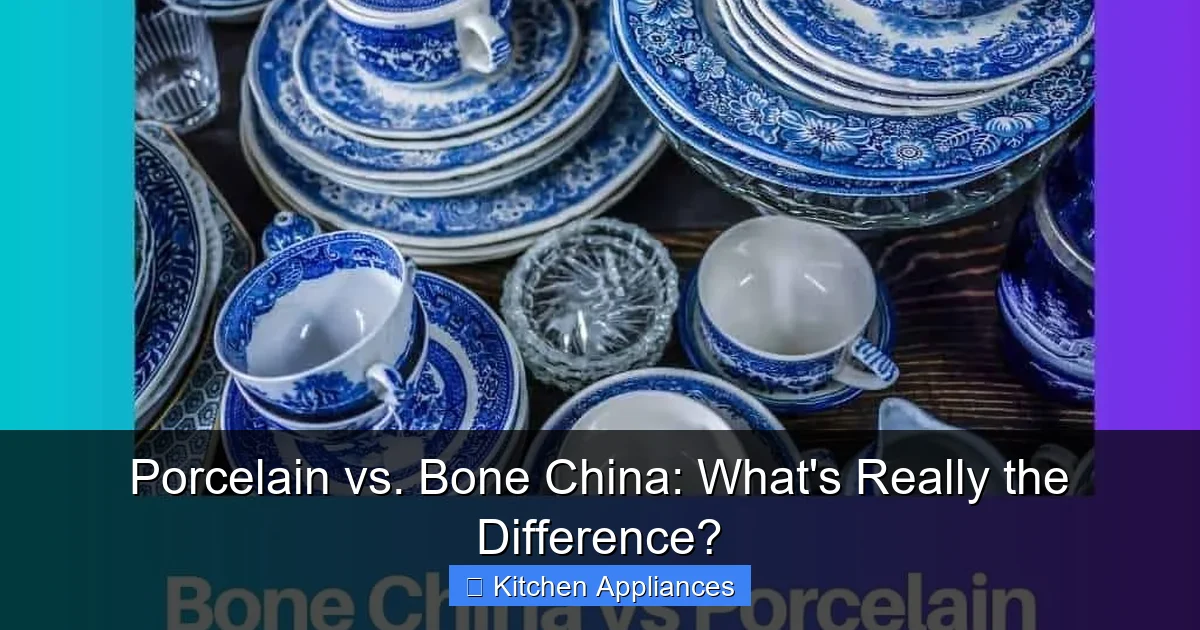
Learn more about difference between porcelain and bone china – Porcelain vs. Bone China: What’s Really the Difference?
Image source: askanydifference.com
The Art of Porcelain: A Timeless Classic
Porcelain, often referred to as “white gold,” originated in China over a thousand years ago, long before it reached Europe. Traditional porcelain dinnerware is primarily made from kaolin clay, feldspar, and quartz. These ingredients are meticulously mixed, shaped, and then fired at extremely high temperatures, typically ranging from 1,200°C to 1,400°C (2,200°F to 2,550°F). This intense heat causes the materials to vitrify, meaning they become glass-like, non-porous, and incredibly strong.
| Feature | Porcelain Dinnerware | Bone China Dinnerware |
|---|---|---|
| Material Composition | Made from kaolin clay, feldspar, and quartz; fired at very high temperatures (approx. 1200-1400°C). | Composed of kaolin clay, feldspar, quartz, and a significant percentage (typically 25-50%) of calcined animal bone ash; fired at slightly lower temperatures. |
| Appearance & Translucency | Typically bright white or off-white; opaque to slightly translucent in very thin pieces. | Creamy, milky white appearance with a distinctive high degree of translucency, allowing light to pass through easily. |
| Durability & Chip Resistance | Very hard, strong, and non-porous; highly resistant to chipping and thermal shock, making it excellent for daily use. | Considered the strongest ceramic dinnerware; despite its delicate look, it offers superior chip resistance and incredible durability. |
| Weight & Feel | Generally thicker and heavier, providing a robust, substantial feel. | Lighter and thinner, with a smooth, elegant finish; often feels delicate but is remarkably strong. |
| Heat Retention (for beverages) | Good heat retention properties, keeps hot drinks warm for a reasonable period. | Excellent heat retention; its composition helps keep hot beverages warmer for longer, enhancing the drinking experience. |
| Microwave & Dishwasher Safety | Mostly microwave and dishwasher safe, unless decorated with metallic accents or delicate hand-painted designs. | Often microwave and dishwasher safe, but always check manufacturer’s instructions, especially for pieces with intricate patterns, gold/silver rims, or specific glazes. |
- Kaolin Clay: Provides the characteristic whiteness and plasticity for shaping.
- Feldspar: Acts as a flux, lowering the firing temperature and helping the material fuse.
- Quartz: Adds strength and reduces shrinkage during firing.
The result is a dense, hard, and durable material that is remarkably resistant to chipping, scratching, and staining. Its surface is typically smooth and glossy, with a slightly greyish-white or creamy hue, depending on the specific firing process and mineral content.
Bone China: The Elegance of Innovation
In contrast, bone china is a relatively newer invention, developed in England in the late 18th century by Josiah Spode II. Its defining ingredient, and indeed its namesake, is bone ash—calcined animal bone (typically cattle bone). Bone china’s composition usually includes:
- Approximately 25% kaolin clay
- Approximately 25% feldspathic material
- Up to 50% bone ash
The inclusion of bone ash is what gives bone china tableware its distinct characteristics: an ethereal translucency, exceptional strength, and a unique creamy-white color. The manufacturing process for bone china involves a two-stage firing at slightly lower temperatures than porcelain, usually around 1,200°C (2,200°F) for the biscuit firing (first firing) and a glaze firing at even lower temperatures.
The high percentage of bone ash creates a material that is incredibly strong and chip-resistant, despite its delicate appearance. This unique blend makes bone china lighter, thinner, and more translucent than traditional porcelain, yet surprisingly robust.
Aesthetics and Visual Appeal: Translucency, Whiteness, and Feel
Beyond their chemical makeup, the most immediate difference between porcelain and bone china lies in their aesthetic qualities. These aspects significantly influence their perceived value and how they enhance a dining experience.
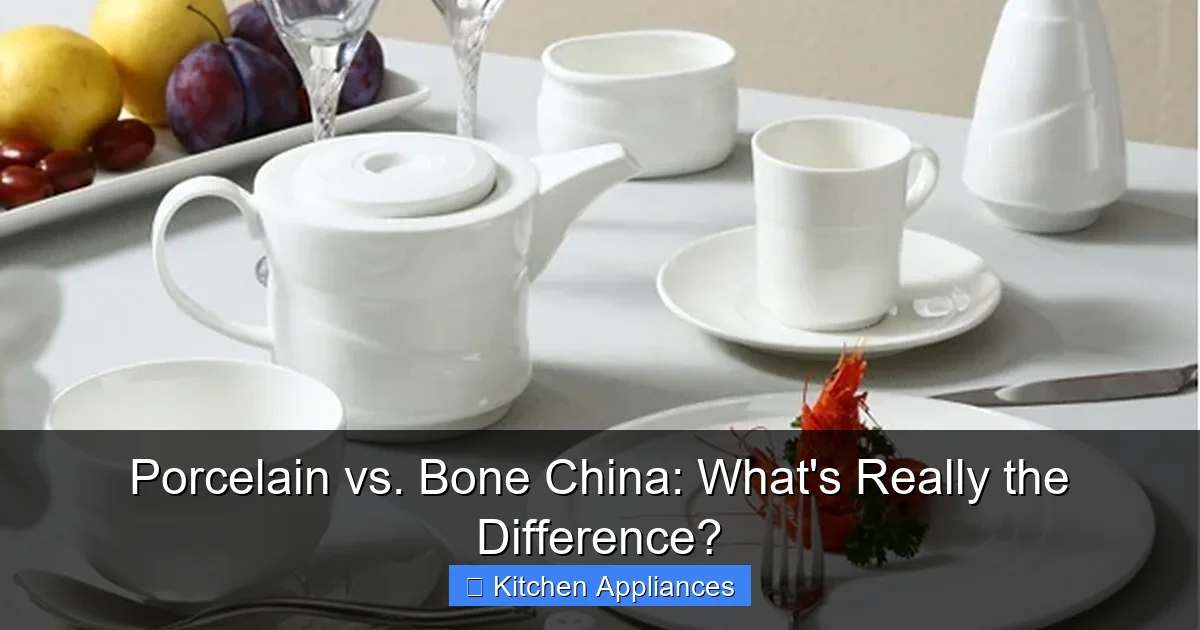
Learn more about difference between porcelain and bone china – Porcelain vs. Bone China: What’s Really the Difference?
Image source: 2.bp.blogspot.com
The Luminescence of Bone China
Perhaps the most striking feature of bone china is its unparalleled translucency. Hold a piece of bone china up to a light source, and you’ll often see light passing through it, revealing the faint silhouette of your fingers or the pattern on the reverse side. This ethereal quality gives it a delicate, almost glowing appearance that is highly prized.
Its color tends to be a warm, creamy white due to the bone ash. This softer white provides a beautiful contrast for vibrant food colors and intricate patterns. The surface of bone china tableware is also typically incredibly smooth and soft to the touch, often described as having a “buttery” feel.
The Crisp Elegance of Porcelain
Porcelain dinnerware, while elegant, is generally opaque or only very slightly translucent, depending on its thickness and specific composition. When held to a light, it will block most light, appearing solid and substantial. Its color is usually a brighter, purer white or a slightly greyish white, which provides a crisp, clean canvas for modern designs and minimalist aesthetics.
The finish of porcelain is typically very glossy and hard, contributing to its robust feel. While it may not possess the delicate luminescence of bone china, its bright, clean appearance and solid feel give it a timeless appeal that has been cherished for centuries. For those seeking a more classic, substantial feel, porcelain often stands out.
The Tactile Experience
The tactile difference is also notable. Bone china feels lighter and thinner, almost feather-light in some instances, yet surprisingly strong. This lightness contributes to its perception as luxury tableware. Porcelain, by contrast, feels denser and heavier. While not cumbersome, its weight conveys a sense of solidity and sturdiness. The choice between these two often comes down to personal preference for feel and perceived delicacy.
Durability and Practicality: Strength for Everyday Use
When investing in dinnerware, durability is a paramount concern. Both porcelain and bone china are renowned for their strength, but they achieve it through different means and offer distinct practical advantages.
The Resilience of Porcelain
Thanks to its vitrified, non-porous nature, porcelain dinnerware is exceptionally hard and resistant to chipping, scratching, and impact. It’s a workhorse of the ceramic world, capable of standing up to the rigors of daily use, making it a popular choice for both home kitchens and professional catering environments.
- Chip Resistance: Its dense structure makes edges and rims less prone to chipping.
- Scratch Resistance: The hard glaze is highly resistant to scratches from cutlery.
- Stain Resistance: Being non-porous, it won’t absorb food colors or odors, making it easy to clean and maintain its pristine appearance.
- Thermal Shock Resistance: Many types of porcelain can handle sudden temperature changes better than other ceramics, making them oven, microwave, and dishwasher safe.
This robust nature makes porcelain an excellent choice for families, busy individuals, or anyone seeking long-lasting, low-maintenance tableware.
The Surprising Strength of Bone China
Despite its delicate appearance, bone china is remarkably strong and durable. The inclusion of bone ash imparts a unique resilience, making it significantly more chip-resistant than many other types of porcelain or earthenware. It possesses a certain elasticity that allows it to absorb impacts without shattering, which can be a key difference between porcelain and bone china in practical terms.
- Exceptional Chip Resistance: Often cited as stronger than most forms of porcelain against chipping, particularly around the edges.
- Lightweight yet Strong: Its thinness does not equate to fragility; it’s surprisingly tough for its delicate feel.
- Good Stain Resistance: While generally non-porous, very harsh dyes might leave a faint trace on unglazed areas, but glazed surfaces are excellent.
- Microwave and Dishwasher Safe: Most modern bone china is designed for convenience, though gold or platinum accents may require hand washing.
Bone china tableware is often considered a perfect blend of elegance and everyday practicality, allowing you to enjoy luxurious settings without constant worry about breakage.
Actionable Tip: For high-traffic use, consider porcelain for its overall hardiness. For a blend of elegance and surprising resilience, especially against chipping, bone china is an excellent option.
Weight, Heat Retention, and Thermal Properties
Beyond aesthetics and raw strength, other practical considerations such as weight and how each material interacts with temperature can influence your choice of ceramic materials.
Weight: Light as a Feather vs. Solid and Substantial
One of the most immediate and noticeable distinctions when handling these materials is their weight. Bone china is famously lightweight. Its thin, fine body makes it incredibly easy to handle, stack, and serve. This lightness contributes to its delicate, luxurious feel and can make a big difference between porcelain and bone china for those with hand mobility issues or in commercial settings where weight adds up quickly.
In contrast, porcelain dinnerware is typically denser and thus noticeably heavier. This solidity can convey a sense of quality and robustness, making it feel substantial in hand. For some, the weight adds to the feeling of an enduring, classic piece of tableware.
Heat Retention: Keeping Food Warmer, Longer
The thermal properties of your dinnerware can significantly impact your dining experience, especially for hot dishes.
Porcelain: Due to its density and vitrified nature, porcelain has excellent heat retention properties. It warms up well and holds heat for a considerable time, making it ideal for serving hot meals. This means your food stays warmer on the plate for longer, which is a significant advantage for multi-course meals or when entertaining.
Bone China: While bone china also retains heat well, its thinner structure means it might warm up faster and potentially cool down slightly quicker than a very thick piece of porcelain. However, the difference is often negligible for typical dining scenarios. Its ability to withstand thermal changes (going from oven to table, or even freezer to microwave) is generally good, but always check manufacturer guidelines, especially for pieces with metallic trims.
Thermal Shock Resistance
Both materials generally exhibit good resistance to thermal shock (sudden changes in temperature), allowing them to be safely used in microwaves and often ovens (check specific product instructions for oven safety) and cleaned in dishwashers. However:
- Porcelain, with its higher firing temperatures during manufacturing, often has a slight edge in its inherent resistance to extreme temperature changes.
- Bone china is also highly resistant, but its delicate thinness can sometimes make it seem more vulnerable, though its elasticity often compensates for this.
Actionable Tip: If serving very hot dishes and maintaining warmth is a top priority, the dense nature of porcelain might offer a slight advantage. For everyday ease and lightweight handling, bone china excels.
Cost, Value, and Investment
When selecting tableware, budget is almost always a factor. The price point for both porcelain and bone china can vary widely depending on brand, craftsmanship, design complexity, and country of origin. However, there are general trends that dictate their relative cost and perceived value.
The Investment in Bone China
Historically and generally, bone china tableware tends to be more expensive than conventional porcelain. Several factors contribute to this:
- Ingredients: Bone ash is a more specialized and often more costly ingredient than the standard clays used in porcelain.
- Manufacturing Process: The multi-stage firing process and the precision required to achieve its delicate thinness and translucency can be more complex and labor-intensive.
- Perceived Luxury: Due to its unique aesthetic qualities, thinness, and strength, bone china is often positioned as a premium product, associated with luxury and fine dining.
- Brand Heritage: Many prominent bone china manufacturers have centuries of heritage, which also contributes to their pricing.
Investing in bone china is often seen as acquiring a piece of art or an heirloom. Its combination of elegance and surprising durability can make it a worthwhile investment for those seeking a luxurious and long-lasting dining experience.
The Value Proposition of Porcelain
Porcelain dinnerware offers excellent value across a wide range of price points. While there are certainly high-end, artisan porcelains that rival the cost of bone china, generally, you can find high-quality, durable porcelain sets at a more accessible price.
- Abundant Raw Materials: The raw materials for porcelain (kaolin, feldspar, quartz) are widely available, which helps keep production costs down.
- Simpler Manufacturing: While still requiring high temperatures, the firing process for porcelain can sometimes be less intricate than for bone china.
- Versatility: Its robust nature makes it suitable for everyday use without constant concern, offering great utility for its cost.
- Mass Production Capability: Porcelain is highly amenable to large-scale manufacturing, allowing for greater economies of scale.
This makes porcelain an excellent choice for those seeking durable, elegant, and versatile dinnerware without a premium price tag. It’s a pragmatic choice for everyday use that doesn’t compromise on style or longevity.
Actionable Tip: If budget is a primary concern, porcelain offers fantastic durability and elegance at a generally lower cost. If you’re looking for a luxurious feel, exceptional translucency, and a willingness to invest in a premium product, bone china is the way to go.
Care, Maintenance, and Longevity
Proper care is essential to ensure the longevity and pristine appearance of any fine dinnerware. While both porcelain and bone china are known for their durability, there are nuances in their maintenance that are worth noting.
General Care Guidelines for Both
Most modern porcelain and bone china are designed for convenience. Look for “dishwasher safe” and “microwave safe” labels on the product packaging, as these features are standard for many contemporary sets. However, there are exceptions:
- Metallic Accents: Dinnerware with gold, silver, or platinum rims or decorative accents should almost always be hand-washed. The harsh detergents and high temperatures in dishwashers can cause these metallic details to fade, tarnish, or chip over time. They are also generally not microwave safe, as metals can cause sparks.
- Oven Use: While both materials can often withstand oven temperatures, always verify with the manufacturer. Avoid placing extremely cold dishes into a preheated hot oven, as thermal shock can still occur.
- Storage: When stacking, place a cloth or paper towel between plates to prevent scratches, especially if the bottom of one plate is unglazed and rough.
- Stain Removal: For stubborn stains (e.g., from coffee or tea in mugs), a baking soda paste or a mild bleach solution (diluted, for white pieces only) can often restore their original brilliance. Rinse thoroughly.
Specific Considerations for Porcelain
Porcelain dinnerware is generally low-maintenance due to its non-porous and hard surface. It’s highly resistant to scratching and chipping, making it very forgiving for daily use. Its resilience means you usually don’t need to be overly cautious during cleaning or storage, as long as you avoid extreme impact.
- Dishwasher Safety: Most plain porcelain is dishwasher safe, even on hotter cycles.
- Durability in Daily Use: Can withstand the bumps and scrapes of everyday dining and cleaning with minimal fuss.
Specific Considerations for Bone China
While remarkably strong, the delicate appearance of bone china can sometimes lead to an assumption of fragility. However, modern bone china is engineered for durability. Its chip resistance is excellent, but its thinner profile means it could potentially break if dropped from a height or subjected to very sharp impacts on hard surfaces.
- Handle with Care: While durable, treating bone china with a bit more care during handling and washing helps preserve its delicate beauty.
- Dishwasher Settings: If dishwasher safe, opt for gentler cycles and avoid overcrowding the machine to prevent items from clanking against each other.
- Avoid Abrasives: Use soft sponges or cloths for cleaning; avoid abrasive scrubbers that could scratch the delicate glaze.
Actionable Tip: Always consult the manufacturer’s care instructions for your specific dinnerware. Even within the categories of porcelain and bone china, variations in glazes and decorative applications can affect care requirements.
A Comparative Glance: Porcelain vs. Bone China
To summarize the key distinctions and help you visualize the differences, here’s a comparative table highlighting the main characteristics:
| Feature | Porcelain | Bone China |
|---|---|---|
| Main Composition | Kaolin clay, feldspar, quartz | Kaolin clay, feldspar, bone ash (up to 50%) |
| Firing Temperature | Very high (1200-1400°C) | Lower than porcelain (approx. 1200°C for biscuit, lower for glaze) |
| Translucency | Opaque to slightly translucent | Highly translucent (light passes through) |
| Color | Bright white or grayish-white | Warm, creamy white |
| Weight | Denser, heavier, substantial feel | Lighter, thinner, delicate feel |
| Durability | Very hard, excellent chip, scratch, and impact resistance | Extremely chip resistant, surprisingly strong despite thinness |
| Cost (General) | Mid-range to high, excellent value | Generally higher, premium pricing |
| Perception | Classic, robust, practical elegance | Luxury, delicate, refined sophistication |
| Ideal Use | Everyday use, busy households, commercial settings | Special occasions, fine dining, elegant daily use |
This table serves as a quick reference for the fundamental distinctions, reinforcing your understanding of porcelain vs. bone china.
Ultimately, the choice between porcelain and bone china comes down to a blend of personal preference, practical needs, and budget. Both are magnificent ceramic materials that have graced tables for generations, each offering unique attributes that can elevate your dining experience.
Whether you prioritize the sturdy, timeless elegance of porcelain dinnerware or the delicate, luxurious luminescence of bone china tableware, understanding their fundamental differences empowers you to make a choice that truly reflects your style and needs. There’s no single “better” option; only the one that’s perfect for you. So, go forth and choose your perfect tableware with confidence, ready to enjoy countless meals served on a canvas of true craftsmanship!
Frequently Asked Questions
What is the fundamental difference between porcelain and bone china?
The primary distinction lies in their composition and firing temperatures. Porcelain is traditionally made from kaolin clay, feldspar, and quartz, fired at very high temperatures. Bone china, on the other hand, includes animal bone ash (typically bovine) in its raw material mix, which gives it unique properties.
Is bone china truly stronger or more durable than porcelain?
Despite its delicate appearance, bone china is generally considered more durable and chip-resistant than most types of porcelain. Its unique composition, including the bone ash, contributes to its high mechanical strength and resilience, making it surprisingly robust for its thinness.
How do their appearances differ, particularly in terms of color and translucency?
Bone china typically has a brighter, more brilliant white color and a higher degree of translucency, allowing light to pass through more readily. Porcelain tends to be a slightly off-white or creamier color and is generally less translucent, though fine porcelain can also achieve a high level of whiteness and translucency.
What are the main ingredients that give bone china its unique characteristics?
The key ingredient that differentiates bone china is calcined animal bone ash, which makes up about 30-50% of its raw material. This bone ash, combined with kaolin and feldspar, gives bone china its distinctive strength, brilliant whiteness, and remarkable translucency, allowing for very thin and delicate pieces.
Is one type of dinnerware generally more expensive than the other?
Bone china is often more expensive than standard porcelain due to its specific ingredient (bone ash), the complex manufacturing process, and its reputation for higher quality and elegance. However, highly ornate or artisan-made porcelain can also command premium prices, so cost can vary widely based on brand, design, and craftsmanship.
Which is better for everyday use – porcelain or bone china?
Both are excellent for everyday use, but bone china’s superior chip resistance often makes it a practical choice for daily dining, despite its elegant appearance. Porcelain is also very durable for daily use and is often preferred for its robust, less translucent feel in more casual settings. Your choice might depend on personal preference for weight, look, and budget.