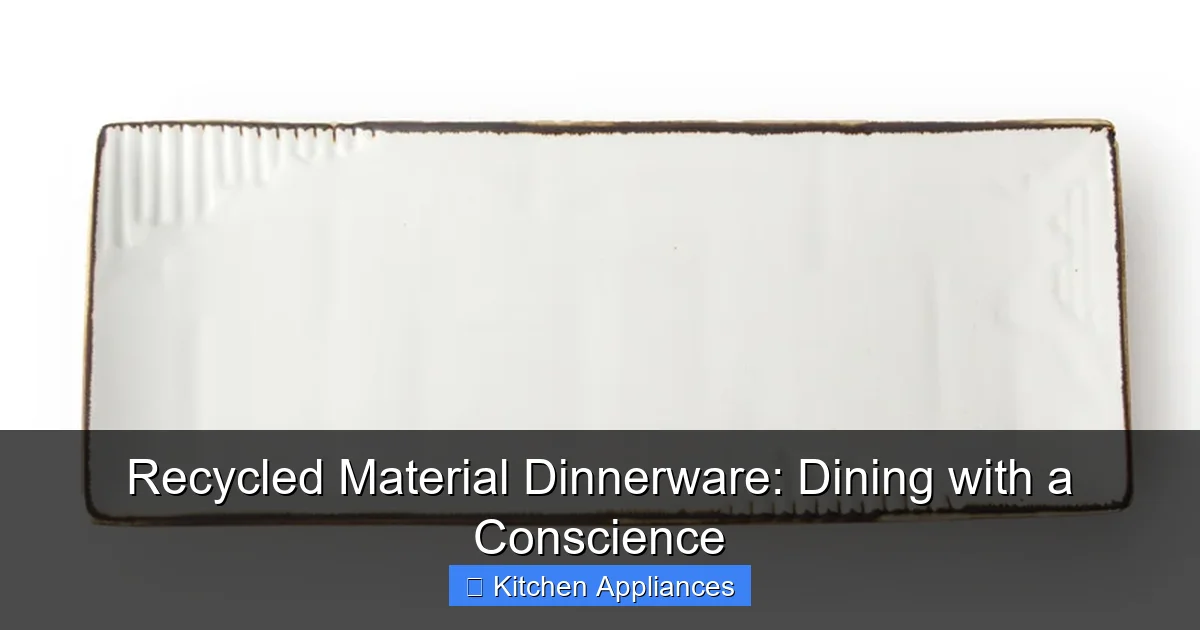
Featured image for this comprehensive guide about recycled material dinnerware
Image source: img.weyesimg.com
In a world increasingly mindful of its ecological footprint, our daily choices hold significant power. From the clothes we wear to the food we eat, the demand for sustainable options is growing, and rightly so. But have you ever stopped to consider the impact of something as fundamental as your dinnerware? Every plate, bowl, and cup we use has a story – from its origin to its eventual disposal. Traditional dinnerware, often made from virgin materials like ceramic, porcelain, or conventional plastic, contributes to resource depletion, energy-intensive manufacturing processes, and overflowing landfills.
Imagine a dining experience where every meal not only nourishes your body but also nurtifies the planet. This isn’t a futuristic fantasy; it’s a present-day reality brought to life by recycled material dinnerware. This innovative category of kitchenware is transforming how we think about our dining essentials, offering a compelling blend of sustainability, style, and practicality. Choosing dinnerware made from reclaimed resources isn’t just a trend; it’s a conscious decision to reduce waste, conserve energy, and support a circular economy.
Join us as we explore the exciting world of recycled material dinnerware. We’ll delve into the myriad benefits, diverse materials, and practical considerations that make these eco-friendly options a smart and stylish choice for every home. Discover how you can elevate your dining experience while making a tangible positive impact on the environment, one plate at a time.
Quick Answers to Common Questions
Is recycled material dinnerware safe for food?
Absolutely! Reputable brands craft their recycled material dinnerware from food-grade, non-toxic materials, ensuring it’s completely safe for serving meals to your family and guests.
How durable is recycled material dinnerware compared to regular dishes?
Many types of recycled material dinnerware are surprisingly robust, designed to be shatter-resistant and long-lasting, often performing as well as or even better than traditional ceramic or plastic options.
Does recycled material dinnerware look “eco-friendly” or can it be stylish?
Gone are the days of drab eco-products! Today’s recycled material dinnerware comes in a vast array of stylish designs, colors, and textures, easily complementing any modern table setting.
How do I clean and care for my recycled material dinnerware?
Most recycled material dinnerware is wonderfully low-maintenance; it’s typically dishwasher safe and easy to clean, though always check the specific care instructions for your particular set.
What’s the main benefit of choosing recycled material dinnerware?
Beyond its practical uses, choosing recycled material dinnerware significantly reduces waste and demand for virgin resources, allowing you to dine sustainably and with a clear conscience.
📋 Table of Contents
- The Urgent Need for Sustainable Choices in Our Homes
- What Exactly is Recycled Material Dinnerware? Unpacking the Innovation
- The Myriad Benefits of Choosing Recycled Dinnerware
- Navigating the Market: What to Look for When Buying Recycled Material Dinnerware
- From Everyday Meals to Special Occasions: Integrating Recycled Dinnerware into Your Lifestyle
- Addressing Common Concerns and Dispelling Myths About Recycled Dinnerware
- Dine with Purpose: The Future is Recycled
The Urgent Need for Sustainable Choices in Our Homes
Our homes are sanctuaries, but they can also be silent contributors to environmental strain. The things we fill them with, from furniture to utensils, often come with an ecological cost. When it comes to our kitchens and dining areas, the sheer volume of items we use daily can have a surprising impact. Think about the lifecycle of traditional dinnerware: raw materials are extracted, transported, processed at high temperatures, shipped globally, used for a relatively short period, and then, all too often, discarded into landfills where they can take hundreds or even thousands of years to decompose, if at all.

Learn more about recycled material dinnerware – Recycled Material Dinnerware: Dining with a Conscience
Image source: lifestyle.brando.com
The manufacturing of conventional dinnerware, particularly ceramics and porcelain, is notoriously energy-intensive, requiring kilns to fire at extremely high temperatures. This process consumes vast amounts of electricity or fossil fuels, leading to significant carbon emissions. Furthermore, the mining of raw materials like clay, silica, and feldspar can degrade landscapes and habitats. Once these items reach their end-of-life, especially if they are chipped or broken, they often end up in landfills, adding to our ever-growing waste crisis. Landfills are not just unsightly; they are major sources of greenhouse gases and can leach harmful chemicals into soil and groundwater.
| Material Type | Key Benefits | Practical Considerations | Typical Recycled Content (%) |
|---|---|---|---|
| Recycled Plastics (e.g., rPP, rPET) | Durable, lightweight, shatter-resistant, often BPA-free. Ideal for outdoor use or kids. | Dishwasher safe (check product specs), can sometimes stain. Microwave safety varies. Not biodegradable. | 50-100% post-consumer |
| Recycled Glass | Non-toxic, non-porous, elegant appearance, excellent heat retention. Highly durable (especially tempered). | Heavier than plastic, can break if dropped (less so for tempered glass). Dishwasher and microwave safe. | 20-100% post-consumer |
| Recycled Plant Fibers (e.g., bamboo, wheat straw waste) | Natural aesthetic, lightweight, reduces agricultural waste. Biodegradable over time (depending on binders). | Varies in durability (can chip/crack), often not microwave safe due to binders. Dishwasher safe (top rack recommended). | 40-70% plant fiber waste |
| Recycled Stainless Steel | Extremely durable, rust-resistant, non-toxic, highly hygienic. Excellent for long-term use. | Can be heavy, conducts heat (not ideal for hot liquids directly), not microwave safe. Dishwasher safe. | 50-80% post-industrial/consumer |
This stark reality underscores the critical need for more sustainable alternatives in every aspect of our lives, especially in the home. By opting for products that utilize existing resources rather than depleting new ones, we can significantly reduce our environmental footprint. This is where recycled material dinnerware steps in as a powerful solution, offering a path towards a more responsible and resource-efficient lifestyle. It’s about closing the loop, turning waste into valuable products, and embracing a circular economy where materials are reused, repurposed, and given new life instead of being discarded.
What Exactly is Recycled Material Dinnerware? Unpacking the Innovation
At its core, recycled material dinnerware is exactly what it sounds like: dining ware crafted from materials that have been collected, processed, and given a new purpose after their initial use. This innovative approach diverts waste from landfills and reduces the demand for virgin resources, embodying the principles of a circular economy. Unlike traditional dinnerware which relies on freshly extracted raw materials, recycled options leverage the resources already in circulation.

Learn more about recycled material dinnerware – Recycled Material Dinnerware: Dining with a Conscience
Image source: lifestyle.brando.com
The process generally involves collecting post-consumer or post-industrial waste, sorting it, cleaning it thoroughly, and then transforming it into new products. This transformation can involve melting and molding, shredding and pressing, or blending with other sustainable binders. The beauty of this category lies in its diversity; recycled dinnerware isn’t limited to a single material but encompasses a wide array of innovative compositions, each with its unique characteristics and benefits.
A Closer Look at Common Recycled Materials
- Recycled Glass Dinnerware: This is one of the most elegant and widely recognized forms of recycled material dinnerware. Old glass bottles, jars, and even broken window panes are collected, crushed, melted down, and then reformed into stunning plates, bowls, and drinking glasses. Recycled glass often retains its clarity and brilliance, and the manufacturing process typically requires less energy than producing new glass from sand. It’s non-porous, highly durable, and completely food-safe.
- Recycled Plastic Dinnerware: This category primarily uses post-consumer plastics like PET (from beverage bottles), HDPE (from milk jugs), or polypropylene (from containers). These plastics are cleaned, shredded into flakes, melted, and then molded into plates, cups, and cutlery. High-quality recycled plastic dinnerware is designed to be BPA-free, food-safe, and incredibly durable, often making it ideal for outdoor use, children, or casual dining. Brands often focus on specific types of recycled plastic to ensure purity and safety.
- Recycled Bamboo Fiber Dinnerware: While bamboo itself is a rapidly renewable resource, some dinnerware options incorporate recycled bamboo fibers. These fibers are often mixed with a food-safe resin to create lightweight yet sturdy dishes. This type of recycled material dinnerware offers an earthy, natural aesthetic and is often biodegradable at the end of its life, provided the binding agents are also eco-friendly.
- Recycled Ceramic or Porcelain Dinnerware: Less common but growing, this involves grinding down broken or discarded ceramic and porcelain pieces and incorporating them as a component in new ceramic blends. This reduces the need for new clay and minerals, and when done correctly, the resulting dinnerware can be just as strong and beautiful as its virgin counterparts.
- Recycled Aluminum Dinnerware: Though more commonly seen in cookware, some dinnerware items like serving trays or lightweight plates can be crafted from recycled aluminum. Aluminum is infinitely recyclable, and producing new aluminum from recycled scrap uses significantly less energy (up to 95%) than producing it from bauxite ore.
The innovation doesn’t stop there; manufacturers are continuously exploring new ways to transform waste into beautiful and functional dining essentials, from agricultural byproducts to reclaimed industrial materials. Each material offers a unique texture, appearance, and set of properties, ensuring there’s a recycled material dinnerware option to suit every style and need.
The Myriad Benefits of Choosing Recycled Dinnerware
Opting for recycled material dinnerware is more than just a trend; it’s a powerful statement of values that brings a multitude of benefits, extending far beyond simply owning a plate. From significant environmental gains to surprisingly chic aesthetics and practical advantages, these sustainable choices enrich both our homes and our planet.
Environmental Impact: Beyond the Obvious
The most compelling reason to choose recycled material dinnerware is its profound positive environmental impact. Here’s how it makes a difference:
- Waste Reduction: By giving new life to discarded materials, recycled dinnerware directly diverts tons of waste from landfills and incinerators. This reduces land pollution, air pollution, and the generation of harmful greenhouse gases.
- Resource Conservation: Manufacturing products from recycled materials drastically reduces the need to extract new virgin resources like sand, clay, petroleum, or metal ores. This preserves natural habitats, reduces mining activities, and conserves finite resources for future generations.
- Energy Savings: Processing recycled materials generally requires significantly less energy than producing new materials from scratch. For instance, making new glass from recycled glass saves up to 30% of the energy, and recycling aluminum saves about 95% of the energy compared to primary production. This directly translates to lower carbon emissions and a smaller carbon footprint.
- Reduced Pollution: Lower energy consumption means fewer fossil fuels are burned, leading to reduced air pollution. Additionally, the industrial processes involved in recycling are often less polluting than those for virgin material production, resulting in less water and land contamination.
Health and Safety: Are Recycled Options Truly Safe?
A common concern with anything recycled is safety, especially when it comes to food contact. Reputable manufacturers of recycled material dinnerware prioritize health and safety. They employ rigorous cleaning, sorting, and processing methods to ensure materials are free from contaminants and meet strict food-grade standards. Many products are:
- BPA-Free: Especially for recycled plastic dinnerware, brands are careful to ensure their products are free from harmful chemicals like BPA (Bisphenol A), phthalates, and lead.
- Non-Toxic: High-quality recycled glass, ceramic, and bamboo options are naturally non-toxic and inert, ensuring no chemicals leach into your food.
- Certified: Look for certifications from independent organizations that attest to food safety and material composition. (More on this in the next section.)
In essence, well-made recycled material dinnerware is designed to be just as safe, if not safer, than many conventional options, offering peace of mind with every meal.
Style and Design: Eco-Conscious Doesn’t Mean Compromise
Gone are the days when eco-friendly products meant sacrificing aesthetics for ethics. Today’s recycled material dinnerware is a testament to sophisticated design and innovative craftsmanship. Manufacturers are embracing the unique textures and characteristics of recycled materials to create stunning pieces:
- Unique Aesthetics: Recycled glass often has a beautiful, subtle tint or slight imperfections that give it character. Recycled plastic can come in vibrant, modern colors, while recycled bamboo offers an organic, earthy feel.
- Contemporary & Classic Designs: From minimalist Scandinavian styles to rustic farmhouse charm, you can find recycled dinnerware sets that complement any home décor. Brands are investing in design, creating collections that are not only sustainable but also highly desirable.
- Versatility: Whether you’re looking for everyday casual plates, elegant serving dishes, or durable outdoor picnic ware, there’s a recycled material dinnerware option to fit your specific needs and aesthetic preferences.
Choosing sustainable dinnerware means you don’t have to compromise on style. In fact, you often gain pieces with a unique story and an inherent connection to environmental responsibility, making your dining experience even more meaningful.
Navigating the Market: What to Look for When Buying Recycled Material Dinnerware
The growing popularity of recycled material dinnerware means the market is brimming with options. To ensure you’re making the best choice for your home and the planet, it’s essential to know what to look for. Not all recycled products are created equal, and understanding key factors will help you select durable, safe, and truly sustainable items.
Key Certifications and Labels to Trust
When investing in recycled material dinnerware, certifications act as your trusted guide, verifying claims of sustainability and safety. Always look for these stamps of approval:
- FDA Approval: For any dinnerware touching food, FDA (U.S. Food and Drug Administration) approval or equivalent international standards (e.g., EU food contact regulations) are paramount. This ensures the materials are safe for food use and will not leach harmful substances.
- BPA-Free: Especially relevant for recycled plastic dinnerware, this label confirms the absence of Bisphenol A, a chemical linked to potential health concerns.
- GRS (Global Recycled Standard): This is a comprehensive product standard for tracking and verifying the content of recycled materials in a final product. It also addresses environmental and social practices in manufacturing.
- SCS Global Services Certified Recycled Content: SCS is a third-party certifier that verifies recycled content claims, ensuring transparency and accuracy.
- LFGB Certified (German Food and Feed Code): A highly respected European standard for food contact materials, often seen on high-quality silicone and plastic products.
- Dishwasher/Microwave Safe Labels: These practical labels, while not sustainability-focused, indicate the product’s durability and ease of use, which contributes to longevity and reduces the need for replacements.
Always check the product description and manufacturer’s website for detailed information on their certifications and material sourcing. Transparency is a hallmark of truly sustainable brands producing dinnerware made from recycled materials.
Durability and Longevity: An Investment in Sustainability
A key aspect of sustainability is longevity. The most eco-friendly item is one that lasts. When purchasing recycled material dinnerware, consider its expected lifespan and resilience to daily wear and tear.
- Material Properties:
- Recycled Glass: Typically very durable and resistant to scratches and fading. However, like all glass, it can chip or break if dropped.
- Recycled Plastic (High Quality): Can be incredibly robust, lightweight, and shatter-resistant, making it ideal for outdoor use or households with children. Look for thicker gauges and reputable brands.
- Recycled Bamboo Fiber: Generally durable for everyday use but can be more susceptible to staining or heat damage if not properly cared for. Quality varies significantly.
- Recycled Ceramic: Can be just as strong as virgin ceramic, offering good chip resistance, but is breakable.
- Construction: Examine the finish, weight, and thickness. Thicker, well-finished pieces often indicate better quality and durability.
- Brand Reputation: Research brands that specialize in sustainable dinnerware and have positive customer reviews regarding product longevity.
Investing in high-quality recycled material dinnerware means you’ll enjoy its benefits for years, further reducing its environmental impact.
Care and Maintenance for Your Eco-Friendly Dinnerware
Proper care is crucial for extending the life of your recycled material dinnerware. Always follow the manufacturer’s specific instructions, as care can vary widely between materials:
- Dishwasher Safety: Most recycled glass and high-quality recycled plastic dinnerware are dishwasher safe. However, some recycled bamboo fiber products may prefer handwashing to preserve their integrity and finish.
- Microwave Safety: Recycled glass and ceramic dinnerware are typically microwave safe. Recycled plastic dinnerware varies; always check for a “microwave safe” label, as some plastics can warp or leach chemicals when heated. Recycled bamboo fiber dinnerware is generally not microwave safe.
- Cleaning: Avoid abrasive scrubbers or harsh chemical cleaners, especially on recycled plastic or bamboo, as they can scratch surfaces or degrade the material.
- Storage: Store items carefully to prevent chipping or scratching, particularly with glass and ceramic.
By understanding these crucial factors, you can confidently choose recycled material dinnerware that not only aligns with your values but also meets your practical needs for safety, durability, and ease of care. Make an informed decision that truly supports your sustainable lifestyle.
From Everyday Meals to Special Occasions: Integrating Recycled Dinnerware into Your Lifestyle
Embracing recycled material dinnerware doesn’t mean overhauling your entire kitchen or sacrificing elegance. It’s about making conscious choices that fit seamlessly into your existing lifestyle, enhancing both your daily routines and your special celebrations. This category of dinnerware is remarkably versatile, proving that sustainability and style can indeed go hand-in-hand.
Everyday Dining Solutions
For breakfast, lunch, and dinner, recycled material dinnerware offers practical and aesthetically pleasing options. Imagine starting your day with coffee in a mug made from recycled glass or serving family meals on plates crafted from reclaimed plastic. Here’s how it fits in:
- Durability for Daily Use: High-quality recycled plastic dinnerware is shatter-resistant, making it perfect for busy families, outdoor picnics, or even children’s meals. It withstands frequent washing and the occasional drop without losing its charm.
- Ease of Care: Many options are dishwasher safe, simplifying cleanup after hurried weeknight dinners. This convenience makes sustainable living effortless.
- Stylish Simplicity: Recycled glass tumblers or simple recycled ceramic plates can bring an understated elegance to your everyday table, reminding you of your positive environmental impact with every sip and bite.
- Mix and Match: Don’t feel pressured to buy a complete matching set. Start by integrating a few key pieces – perhaps serving bowls, platters, or drinking glasses – and gradually build your collection. Recycled materials often have unique textures or hues that blend beautifully with existing conventional dinnerware.
The goal is to make sustainable choices an integrated, natural part of your routine, not an added chore. Recycled dinnerware sets are designed with modern life in mind, balancing ethics with practicality.
Hosting with a Green Touch
Special occasions are perfect opportunities to showcase your commitment to sustainability. Impress your guests not just with your culinary skills, but with your eco-conscious choices. Dinnerware made from recycled materials can elevate your entertaining with its unique story and sophisticated appeal.
- Elegant Recycled Glassware: For a dinner party, consider setting the table with beautiful tumblers, wine glasses, or even serving bowls made from recycled glass. Their subtle imperfections and unique textures add character and a talking point.
- Chic Serving Platters: A large platter made from recycled plastic composite or recycled aluminum can be a stunning centerpiece for appetizers or desserts, combining modern design with a responsible ethos.
- Sustainable Disposable Options: For larger, more casual gatherings, or events where traditional dinnerware isn’t feasible, look for compostable or truly recyclable single-use plates and cutlery made from plant-based materials or recycled paper. While not strictly “dinnerware,” these are important alternatives to conventional plastics.
- Conversation Starter: Your eco-friendly dinnerware can be a wonderful way to spark conversations about sustainability, inspiring your guests to consider their own choices. Sharing the story behind your beautiful dishes adds a layer of meaning to the meal.
- Gifting Green: A beautiful set of recycled material dinnerware makes a thoughtful and impactful gift for weddings, housewarmings, or holidays. It’s a present that keeps on giving, both to the recipient and the planet.
Whether you’re enjoying a quiet family dinner or hosting a vibrant gathering, recycled material dinnerware allows you to dine with purpose, demonstrating that conscious living can be both beautiful and attainable. It’s about creating memories while contributing to a healthier planet for future generations.
Addressing Common Concerns and Dispelling Myths About Recycled Dinnerware
Despite its growing popularity, recycled material dinnerware can sometimes be met with skepticism. Common questions often revolve around durability, aesthetics, hygiene, and cost. Let’s address these concerns head-on and dispel some myths, reinforcing why this sustainable choice is a truly viable and often superior option for your home.
Is it as Durable as Traditional Dinnerware?
Myth: Recycled dinnerware is flimsy and breaks easily because it’s made from “waste.”
Reality: This is largely untrue for high-quality recycled material dinnerware. Modern manufacturing techniques and material science have advanced significantly. Many recycled materials, when properly processed, can be just as durable, if not more so, than their virgin counterparts.
- Recycled glass, for example, is often tempered, making it remarkably resistant to thermal shock and breakage compared to standard glass.
- High-quality recycled plastic dinnerware (like those made from HDPE or PP) can be exceptionally robust, lightweight, and shatter-resistant, far outperforming fragile ceramic for outdoor use or in homes with children. Some brands specifically design their recycled dinnerware sets to be extra tough for high-traffic environments.
- Even recycled ceramic components can enhance the strength of new ceramic blends.
The key is to choose reputable brands that prioritize quality and rigorous testing. Sustainable doesn’t mean fragile; it means smartly engineered for longevity.
What About Food Safety and Hygiene?
Myth: Recycled materials are dirty or leach chemicals, making them unsafe for food contact.
Reality: This concern is understandable but unfounded when it comes to certified recycled material dinnerware. Manufacturers adhere to strict health and safety protocols:
- Thorough Cleaning and Sterilization: All recycled materials undergo intensive cleaning, washing, and often high-heat treatment to remove impurities and sterilize them before processing.
- Food-Grade Standards: Reputable brands ensure their products meet or exceed FDA (Food and Drug Administration) or equivalent international food contact material standards. They are specifically engineered to be inert and non-leaching.
- BPA-Free Assurance: Especially for recycled plastics, manufacturers go to great lengths to ensure their products are free from BPA, phthalates, and other potentially harmful chemicals, often providing clear labeling.
Just as you would trust a new plastic container with a “food-safe” label, you can trust recycled material dinnerware from a reputable brand with appropriate certifications. Their commitment to safety is paramount.
The Cost Factor: Is Sustainability Affordable?
Myth: Recycled dinnerware is always more expensive than conventional options, making it inaccessible.
Reality: The cost of recycled material dinnerware can vary, but it’s not universally more expensive. While some artisanal or niche products might have a premium price due to specialized manufacturing or small-batch production, many options are competitively priced, especially when considering their long-term value.
- Long-Term Savings: Due to their durability, many recycled dinnerware items can outlast cheaper, conventional alternatives, reducing the need for frequent replacements and saving you money over time.
- Energy Savings in Production: The reduced energy consumption in manufacturing recycled products can, in some cases, lead to more efficient production costs.
- Value Proposition: When you purchase eco-friendly dinnerware, you’re not just buying an item; you’re investing in a product with a lower environmental footprint, supporting ethical manufacturing, and contributing to a circular economy. This added value makes the price point often worthwhile.
- Diverse Price Points: Just like conventional dinnerware, you can find recycled dinnerware sets at various price points, from budget-friendly options for everyday use to more luxurious designer pieces for special occasions.
Ultimately, the perception of cost often shifts when we consider the full lifecycle impact and the inherent value of making responsible choices. Recycled material dinnerware is an investment in both your home and the planet, offering benefits that extend far beyond the initial purchase price.
| Material | Energy Saved (Recycled vs. Virgin) | CO2 Emissions Reduced (Recycled vs. Virgin) | Water Usage Reduced (Recycled vs. Virgin) |
|---|---|---|---|
| Glass | 25-30% | Up to 18% | Up to 50% |
| Aluminum | 95% | 95% | Significant |
| Plastic (e.g., PET) | Approx. 79% | Approx. 71% | Approx. 90% |
| Steel | 75% | Approx. 80% | Approx. 40% |
(Data are approximate and can vary based on specific processes and material types. Sources: EPA, industry reports.)
Dine with Purpose: The Future is Recycled
As we’ve explored, recycled material dinnerware represents a significant leap forward in sustainable living, offering a compelling blend of environmental responsibility, robust durability, and undeniable style. It’s more than just a collection of plates and bowls; it’s a testament to human ingenuity in turning waste into wonder, transforming our dining experiences into acts of planetary stewardship. From reducing landfill waste and conserving precious natural resources to drastically cutting down on energy consumption and carbon emissions, the benefits of choosing dinnerware made from recycled materials are profound and far-reaching.
The journey towards a more sustainable home begins with conscious choices, and our dinnerware is an excellent place to start. With an array of materials from elegant recycled glass to resilient recycled plastic, and designs ranging from rustic to ultra-modern, there’s truly a recycled material dinnerware option for every taste and need. We’ve debunked common myths about durability, safety, and cost, confirming that eco-friendly doesn’t mean compromising on quality or aesthetics. In fact, it often means gaining unique, character-filled pieces that spark conversation and reflect a deeper commitment to our world.
So, as you set your next table, consider the power in your choice. By opting for recycled material dinnerware, you’re not just purchasing a product; you’re investing in a healthier planet, supporting innovative industries, and embracing a lifestyle where every meal serves a greater purpose. It’s time to dine with a conscience, savoring not just the food on your plate, but the positive impact you’re making on the world, one sustainable bite at a time. Make the switch today and be a part of the movement towards a greener, cleaner, and more beautiful future, starting right at your dinner table.
🎥 Related Video: Biodegradable Tableware Product | Shipaway Overseas | Exporter & Manufacturer
📺 SHIPAWAY OVERSEAS – Manufacturer & Exporter
Biodegradable Tableware Product | Shipaway Overseas | Exporter & Manufacturer Manufacturer & Exporter 100% Eco Friendly …
Frequently Asked Questions
Is recycled material dinnerware safe for food contact?
Yes, reputable manufacturers ensure their recycled material dinnerware meets strict food-grade safety standards. They utilize advanced processes to remove contaminants, resulting in products that are safe and non-toxic for everyday dining.
What types of recycled materials are used in dinnerware?
Recycled material dinnerware can be crafted from various post-consumer or post-industrial waste streams. Common materials include recycled glass, plastics (such as PP or PET), bamboo fibers combined with binders, and even recycled ceramic or porcelain scraps.
How durable is recycled material dinnerware compared to traditional options?
The durability of recycled material dinnerware depends on the specific materials and manufacturing quality. Many modern recycled options are designed to be highly resilient, resisting chips, cracks, and daily wear much like or even better than conventional dinnerware.
Can I put my recycled material dinnerware in the dishwasher or microwave?
This largely depends on the specific materials and manufacturing process of your recycled material dinnerware. Always check the product’s care instructions provided by the manufacturer, as some items are dishwasher safe, while microwave compatibility can vary.
What are the environmental benefits of choosing recycled material dinnerware?
Choosing recycled material dinnerware significantly reduces landfill waste and conserves precious natural resources. It also often leads to lower energy consumption and a reduced carbon footprint compared to producing dinnerware from virgin materials.
Does recycled material dinnerware come in different styles and designs?
Absolutely! Recycled material dinnerware is available in a wide array of styles, colors, and finishes to suit any aesthetic, from rustic to modern and minimalist. Manufacturers are increasingly prioritizing design to make sustainable choices visually appealing.