
Featured image for this comprehensive guide about lead and cadmium free dinnerware
Image source: cdc.gov
The aroma of a home-cooked meal fills your kitchen. You carefully plate your culinary creation, ready to gather with loved ones and share stories over good food. But have you ever paused to consider the very dishes your food rests upon? While often overlooked, the dinnerware we use daily can, surprisingly, be a hidden source of toxins that impact our health.
For decades, lead and cadmium have been used in the manufacturing of various consumer products, including dinnerware. These heavy metals provide vibrant colors and durable glazes, but they come with a significant cost: potential health risks. As concerns about environmental toxins and their effects on human health grow, more people are seeking safer alternatives for every aspect of their lives, starting right at their dining table.
This comprehensive guide is your essential resource for understanding the dangers of lead and cadmium in dinnerware and, more importantly, how to confidently choose lead and cadmium free dinnerware. We’ll dive deep into the materials, certifications, and practical tips you need to ensure your family’s meals are served on dishes that are not just beautiful, but also unequivocally safe. Say goodbye to guesswork and hello to peace of mind at every meal.
Quick Answers to Common Questions
Why should I choose lead and cadmium free dinnerware?
It’s all about health! Lead and cadmium are toxic heavy metals that can leach into your food, potentially causing serious health issues over time, especially for children. Opting for lead and cadmium free dinnerware protects your family from these harmful contaminants.
How can I tell if my current dinnerware is lead and cadmium free?
The best way is to look for explicit labeling on the product or packaging stating “lead and cadmium free,” “non-toxic,” or “safe for food contact.” If you can’t find clear information, contacting the manufacturer directly is a good next step to confirm your dinnerware is lead and cadmium free.
What are the biggest risks if my dinnerware isn’t lead and cadmium free?
Long-term exposure to these metals, even in tiny amounts, can lead to developmental problems in children, neurological damage, kidney issues, and other chronic health conditions. Choosing lead and cadmium free dinnerware is a simple yet crucial step to mitigate these serious risks.
Is “dishwasher safe” the same as “lead and cadmium free dinnerware”?
No, not at all! “Dishwasher safe” only refers to a product’s ability to withstand dishwashing without damage. It unfortunately gives no indication whether the materials or glazes used in the dinnerware are lead and cadmium free or safe from heavy metal leaching.
What types of materials are generally safe and lead and cadmium free?
Great question! Generally, materials like pure borosilicate glass, high-quality stainless steel, and ceramics or porcelain explicitly certified as lead and cadmium free are excellent choices. Always look for clear labeling or manufacturer statements confirming their lead and cadmium free dinnerware status.
📋 Table of Contents
- The Silent Threat: Understanding Lead and Cadmium in Dinnerware
- Navigating the Dinnerware Landscape: What Materials Are Truly Safe?
- Decoding Labels and Certifications: How to Spot Truly Safe Dinnerware
- Practical Tips for a Toxin-Free Table: Making the Switch and Maintaining Safety
- The Best Brands and Where to Buy Lead and Cadmium Free Dinnerware
The Silent Threat: Understanding Lead and Cadmium in Dinnerware
Before we explore safe alternatives, it’s crucial to understand why lead and cadmium pose a threat and how they end up in our dinnerware in the first place. These heavy metals are insidious because their effects can be cumulative and often go unnoticed until significant exposure has occurred.
Learn more about lead and cadmium free dinnerware – The Complete Guide to Lead and Cadmium Free Dinnerware
Image source: cdn.mos.cms.futurecdn.net
What Are Lead and Cadmium?
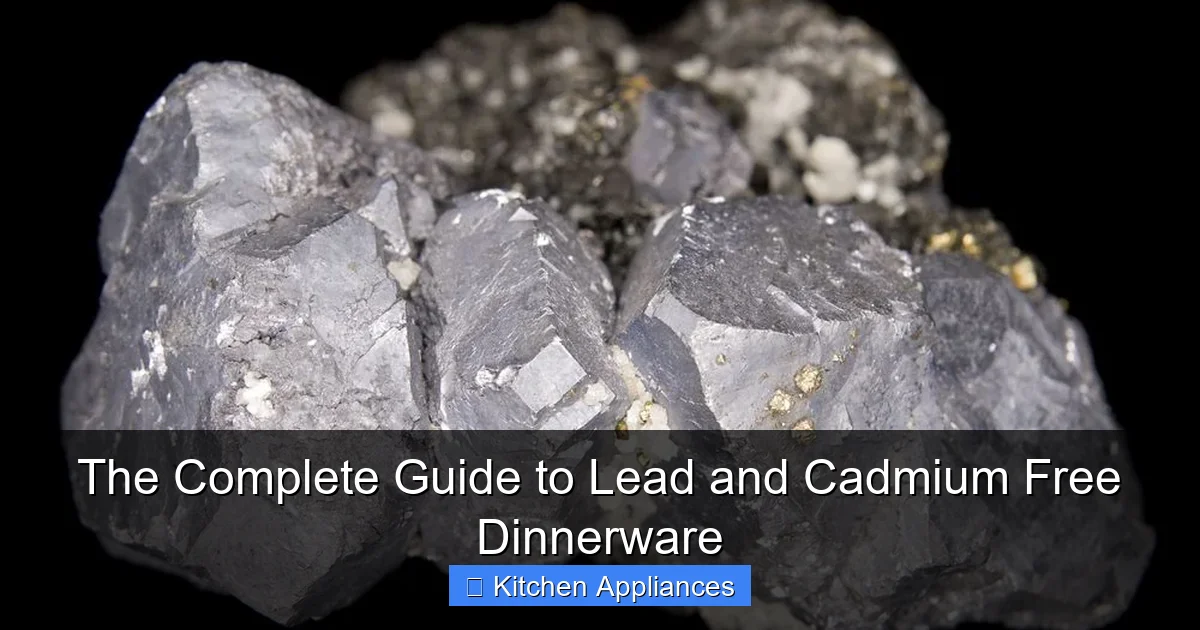
- Lead: A naturally occurring toxic metal found in the Earth’s crust. It has been used for centuries in various applications due to its malleability and ability to produce stable colors in glazes.
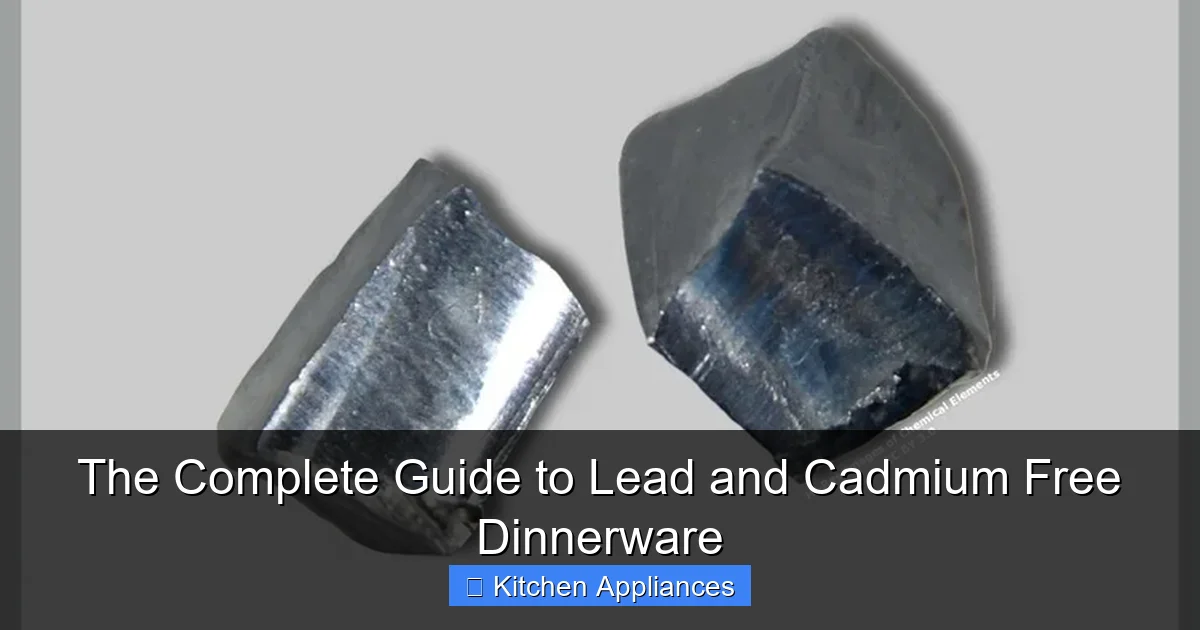
- Cadmium: Another naturally occurring toxic metal, often found alongside zinc, copper, and lead. It’s highly prized for producing bright, vibrant colors like reds, oranges, and yellows in ceramic glazes.
Both lead and cadmium find their way into dinnerware primarily through glazes and decorative paints. When ceramic items are fired, these metallic compounds are fused into the surface to create a durable, glossy finish. The problem arises when these glazes are not properly formulated, fired at insufficient temperatures, or contain excessive amounts of the metals, leading to potential leaching.
| Feature/Aspect | Lead & Cadmium-Free Dinnerware | Traditional/Non-Certified Dinnerware (Potential Risks) |
|---|---|---|
| **Glaze & Material Composition** | Utilizes inert, non-toxic glazes and base materials (e.g., pure porcelain, tempered glass, certified ceramic). Colors derived from safer pigments. | May use glazes containing lead and/or cadmium for brighter colors (especially reds, yellows, oranges) or improved durability. Risk often higher in older or inexpensive imports. |
| **Health Implications** | Eliminates risk of heavy metal leaching into food, preventing associated health issues. Crucial for children’s development and pregnant individuals. | Lead exposure can cause neurological damage, developmental delays, and kidney issues. Cadmium is linked to kidney damage, bone disease, and cancer. Leaching increases with heat, acidity, and wear. |
| **Regulatory Compliance & Testing** | Often certified to stringent international standards (e.g., FDA compliance, California Prop 65, EU regulations). Manufacturers provide clear testing documentation. | May only meet minimal local safety standards, or lack rigorous third-party testing, especially for items sourced from regions with lax regulations. Certifications are often absent. |
| **Recommended Use & Benefits** | Ideal for everyday meals, safe for acidic foods (e.g., tomato sauce, citrus), and provides peace of mind for health-conscious consumers and families. | Risky for daily food contact, particularly with hot or acidic foods which accelerate leaching. Best avoided for serving unless confirmed safe or used for purely decorative purposes. |
The Health Risks: Why You Should Care
The health risks associated with lead and cadmium exposure are well-documented and can be severe, even at low levels over time. The leaching of these metals from dinnerware occurs when food, especially acidic food (like tomatoes, citrus, vinegar-based dressings), comes into contact with the dish. Heat from microwaving or serving hot food can also exacerbate the leaching process. Over time, repeated exposure can lead to accumulation in the body.
Health Risks of Lead Exposure:
- Neurological Damage: Particularly devastating for children, lead can impair brain development, leading to lower IQ, learning difficulties, and behavioral problems. In adults, it can cause nerve damage, headaches, and memory issues.
- Kidney Damage: Chronic exposure can impair kidney function.
- Reproductive Problems: Can affect fertility in both men and women, and cause developmental problems in unborn children.
- Cardiovascular Issues: Linked to high blood pressure and heart disease.
- Digestive Problems: Abdominal pain, constipation, and appetite loss.
The Centers for Disease Control and Prevention (CDC) states that there is no safe blood lead level in children. Even low levels can have adverse effects.
Health Risks of Cadmium Exposure:
- Kidney Damage: Cadmium is primarily toxic to the kidneys, potentially leading to kidney disease.
- Bone Issues: Can weaken bones, leading to osteoporosis and increased fracture risk.
- Cancer Risk: Classified as a known human carcinogen by the International Agency for Research on Cancer (IARC), linked to lung, kidney, and prostate cancers.
- Respiratory Problems: Inhalation can cause lung damage.
Given these serious health implications, making the switch to lead and cadmium free dinnerware is not just a preference, but a vital step towards safeguarding your health and that of your family.
Navigating the Dinnerware Landscape: What Materials Are Truly Safe?
With so many dinnerware options available, it can feel overwhelming to choose. Understanding the inherent safety profiles of different materials is key to confidently selecting lead and cadmium free dinnerware.
Learn more about lead and cadmium free dinnerware – The Complete Guide to Lead and Cadmium Free Dinnerware
Image source: static.sciencelearn.org.nz
Naturally Safe Materials: Minimal Risk
These materials are generally considered the safest choices, as they typically do not contain lead or cadmium in their composition or finishing processes.
- Glass Dinnerware:
- Borosilicate Glass: Known for its thermal shock resistance (e.g., Pyrex, though check specific lines for purity). It’s highly non-reactive and durable.
- Soda-Lime Glass: Common in everyday glassware. Clear glass is almost always safe. Colored glass can sometimes use heavy metals for tinting, so clear is generally the safest bet. Brands like Duralex are excellent examples of safe, durable tempered glass.
- Key advantage: Glass is non-porous and non-reactive, meaning it won’t leach chemicals into your food.
- Stainless Steel Dinnerware:
- Food-Grade Stainless Steel (304 or 316): These grades are highly resistant to corrosion and do not leach metals into food. They are durable, lightweight, and ideal for children’s plates or outdoor dining.
- Key advantage: Extremely durable, non-reactive, and completely free of lead and cadmium. Look for reputable brands that clearly state the grade of stainless steel.
- 100% Bamboo Dinnerware:
- Pure Bamboo: When made from 100% bamboo fiber, without melamine or plastic binders, it’s a sustainable and safe option. Ideal for children’s dinnerware and casual use.
- Important note: Be very careful with bamboo dinnerware that contains melamine, as melamine itself can leach harmful chemicals when exposed to heat or acidic foods. Always check for “100% bamboo” or “bamboo fiber with plant-based binder” and avoid anything with “melamine” or “plastic” in the description.
Materials That Need Scrutiny: Potential Risk
These materials are common but require careful attention to ensure they are genuinely lead and cadmium free dinnerware.
- Ceramic Dinnerware (Stoneware, Earthenware, Porcelain, Bone China):
- The Core of the Problem: This category is where most lead and cadmium concerns lie. The body of the ceramic itself (clay, feldspar, silica) is generally inert. The danger comes from the glazes and decorative paints applied to the surface.
- Earthenware: Often less durable and more porous, typically uses lower firing temperatures, making it more prone to glaze issues.
- Stoneware: More durable than earthenware, fired at higher temperatures. Still relies on glazes that can contain heavy metals.
- Porcelain: Fired at very high temperatures, resulting in a non-porous, highly durable material. High-quality, un-decorated porcelain is often safer, but glazes and decorations can still be problematic.
- Bone China: A type of porcelain known for its translucency and strength, containing bone ash. Similar to porcelain, the safety depends heavily on the glazes used.
- The Solution: For any ceramic dinnerware, explicit certification as lead and cadmium free is non-negotiable. Reputable brands will proudly display this.
- Melamine Dinnerware:
- Often used for outdoor or children’s dinnerware due to its durability.
- Concern: Can leach formaldehyde and melamine into food, especially when exposed to high heat or acidic foods. The FDA considers it safe for use below 160°F (70°C), but many experts recommend avoiding it for hot foods or microwave use altogether. It’s definitely not a primary choice for lead and cadmium free dinnerware if safety is a top priority.
- Plastic Dinnerware:
- While generally not associated with lead or cadmium, plastic dinnerware comes with its own set of concerns, primarily BPA (Bisphenol A) and phthalates, which are endocrine disruptors.
- Even BPA-free plastics can contain other chemicals that are not fully studied. Avoid microwaving plastic dinnerware or using it for hot or acidic foods.
Decoding Labels and Certifications: How to Spot Truly Safe Dinnerware
Navigating the claims on dinnerware packaging can be tricky. Here’s what you need to know to confidently identify genuinely lead and cadmium free dinnerware.
Understanding Regulatory Standards (and Their Limitations)
Various governmental bodies regulate dinnerware safety, but their standards may not always align with a “zero-tolerance” approach.
- U.S. Food and Drug Administration (FDA): The FDA sets limits on the leachable amounts of lead and cadmium from dinnerware. These limits are based on the idea that a certain amount is “safe.” However, critics argue that any amount of lead is undesirable, especially for children. The FDA’s focus is on preventing acute poisoning, not necessarily on long-term cumulative effects from very low levels.
- California Proposition 65 (Prop 65): This state law requires businesses to notify Californians about significant amounts of chemicals in the products they purchase or that are released into the environment. While beneficial, a Prop 65 warning doesn’t mean a product is illegal; it just means it contains a chemical known to cause cancer or birth defects/reproductive harm above certain threshold levels. Conversely, “Prop 65 compliant” means the levels are below the warning threshold, but not necessarily “free” of these substances.
- European Union (EU) Regulations: Generally considered more stringent than FDA standards for many chemicals. The EU also sets maximum permissible migration limits for lead and cadmium.
The key takeaway is that meeting regulatory standards does not always equate to being completely free of these heavy metals. For true peace of mind, aim for products explicitly marketed as lead and cadmium free and backed by testing.
Key Certifications and Terms to Look For:
When shopping for lead and cadmium free dinnerware, keep an eye out for these explicit statements and indicators:
- “Lead-Free” and “Cadmium-Free” Explicitly Stated: This is the most direct and crucial indicator. Look for these phrases prominently displayed on packaging or product descriptions. Some manufacturers even specify “under the glaze” to indicate that any colorants are safely encased.
- Third-Party Testing: Manufacturers who invest in independent laboratory testing (e.g., SGS, Intertek, Bureau Veritas) and make these reports available (or summarize the findings) demonstrate a commitment to safety. This adds a layer of credibility beyond self-declarations.
- “Food-Safe Glaze”: While this term is good, it’s not always sufficient on its own. A glaze can be “food-safe” under current regulations but still contain trace amounts of lead or cadmium below the regulated limits. Combine this with “lead-free” and “cadmium-free” for best assurance.
- Responsible Manufacturing Practices: Brands that emphasize transparency in their supply chain, ethical sourcing, and environmental responsibility are often more likely to prioritize toxin-free production.
Red Flags to Watch Out For:
Not all dinnerware is created equal. Be wary of these signs that might indicate a higher risk of lead and cadmium contamination:
- Vibrant, Opaque Glazes: Especially bright reds, oranges, yellows, and deep blues. Cadmium is a common pigment for these colors. While not all colorful dinnerware is unsafe, exercise extra caution and demand certification.
- Old or Antique Dinnerware: Dinnerware manufactured before the 1970s (when lead was more widely regulated) is very likely to contain lead. “Heirloom” pieces, while sentimental, are best used for display, not dining.
- Hand-Painted, Artisanal, or Imported Items Without Clear Certifications: While beautiful, smaller workshops or imports from countries with laxer regulations may not adhere to strict safety standards. Unless the artisan or brand can provide explicit safety documentation, it’s best to avoid.
- Unlabeled or Generic Brands: If there’s no information about the material, glazes, or safety standards, it’s a significant red flag.
- Heavy Metal Look: Metallic finishes, iridescent glazes, or gold/silver rim accents (unless explicitly certified lead and cadmium free and food-safe) can sometimes contain heavy metals.
Practical Tips for a Toxin-Free Table: Making the Switch and Maintaining Safety
Transitioning to a lead and cadmium free dinnerware collection doesn’t have to be overwhelming. Here’s a practical guide to auditing your current dishes, shopping smart, and ensuring the longevity of your safe choices.
Audit Your Current Dinnerware:
Before you start shopping, take stock of what you already own. This helps you identify potential risks and prioritize replacements.
- Identify Unknowns: Gather any dinnerware that lacks clear branding, age, or material information. This is where most risks lie.
- Check for Wear and Tear: Even certified safe dinnerware can become problematic if it’s chipped, cracked, or excessively worn, as this can expose underlying layers or create crevices for bacterial growth.
- Consider Age: As mentioned, older dinnerware (especially pre-1970s) is a high-risk category.
- Evaluate Decoration: Pay close attention to items with bright, opaque colors (especially reds, oranges, yellows, greens) or raised, rough, or unglazed decorations, as these can be indicators of lead or cadmium use.
- Home Testing Kits (with caveats): Lead testing kits are available for home use. While they can provide an indication of lead presence, they are not always 100% accurate or quantitative. They are best used as a preliminary screening tool. If a kit indicates lead, it’s wise to assume the worst and replace the item.
Once you’ve identified potential risks, make a plan to replace them with verified lead and cadmium free dinnerware options.
Shopping Smart for Lead and Cadmium Free Dinnerware:
Armed with knowledge, you can now approach your shopping with confidence.
- Prioritize Reputable Brands: Stick to established brands known for quality and safety. Many larger manufacturers now explicitly state their commitment to being lead and cadmium free.
- Read Product Descriptions Carefully: Don’t just look at the picture. Dive into the product details, material specifications, and any certifications. If “lead-free” and “cadmium-free” aren’t mentioned, assume they might not be.
- Ask Questions: If buying from a smaller artisan or an online retailer where information is scarce, don’t hesitate to contact the manufacturer directly and ask for proof of testing or a clear statement regarding lead and cadmium content.
- Check Customer Reviews: While not definitive proof, customer reviews can sometimes highlight concerns or validate a product’s safety claims.
- Buy in Sets: Often, buying a full set ensures consistency in material and glaze safety across all your dining pieces.
- Consider All Dinnerware: Don’t forget mugs, serving dishes, platters, and even pet food bowls, as they can also pose risks.
Care and Maintenance for Longevity and Safety:
Once you’ve invested in lead and cadmium free dinnerware, proper care will help maintain its integrity and safety for years to come.
- Follow Manufacturer’s Instructions: Always adhere to specific care guidelines provided by the dinnerware manufacturer, especially regarding dishwasher, microwave, and oven use.
- Avoid Abrasive Scrubbing: Use soft sponges and mild detergents. Harsh scrubbing pads or abrasive cleaners can damage glazes over time, potentially exposing underlying layers if they contain heavy metals (though less a concern for truly lead and cadmium free dinnerware).
- Dishwasher Safety: Most modern, high-quality lead and cadmium free dinnerware is dishwasher safe. However, excessive heat or strong detergents over many years can degrade glazes. If concerned, handwashing can extend life.
- Microwave and Oven Use: Ensure your dinnerware is explicitly labeled “microwave safe” and “oven safe” if you intend to use it in these appliances. High heat can sometimes stress glazes.
- Proper Disposal of Old Dinnerware: Do not donate potentially lead-laden dinnerware. Dispose of it properly according to your local waste management guidelines for items that might contain hazardous materials.
The Best Brands and Where to Buy Lead and Cadmium Free Dinnerware
Making an informed choice is easier when you know which brands and materials consistently deliver on their promise of safety. Here are some trusted options to consider when building your collection of lead and cadmium free dinnerware.
Top Recommendations by Material Type:
- Porcelain/Bone China:
- Corelle: Known for its durable Vitrelle glass, Corelle is explicitly lead and cadmium free. It’s chip-resistant, lightweight, and versatile.
- Fiesta Dinnerware: Since 1986, Fiesta has proudly produced dinnerware that is 100% lead-free, and they make a strong effort to ensure cadmium-free glazes as well. They are a popular choice for their vibrant colors and durability.
- Lenox: Many Lenox lines, particularly their everyday dinnerware and pure white porcelain, are certified lead and cadmium free. Always check the specific product description.
- Pure White Porcelain: Brands that offer unadorned, pure white porcelain are often a safe bet, as the risk comes primarily from decorative glazes. Look for specific certifications.
- Glassware:
- Duralex: A French brand producing highly durable, tempered glass dinnerware and drinkware. Their products are consistently lead and cadmium free and made to withstand daily use.
- Anchor Hocking / Pyrex: For clear glass bakeware and serving dishes, these brands are generally safe. For everyday dinner plates, focus on their clear glass options.
- Stainless Steel:
- Various brands offer food-grade (304 or 316) stainless steel plates, bowls, and cups, especially for children. Look for reputable kitchenware brands.
- Bamboo (100% pure):
- Brands like Avanchy or Ecocentric Mom offer bamboo dinnerware explicitly stating “100% bamboo” or “bamboo fiber with plant-based binders” and are free from melamine, lead, and cadmium.
Online Retailers and Specialty Stores:
- Amazon: A vast selection, but requires careful filtering and scrutiny of product descriptions and reviews to ensure you’re buying truly lead and cadmium free dinnerware.
- Wayfair/Overstock/Target/Walmart: Similar to Amazon, these large retailers carry a wide range. Always check for specific “lead-free” and “cadmium-free” claims in the product details.
- Direct from Manufacturer Websites: This is often the best place to get the most accurate and detailed information about a product’s safety and certifications.
- Eco-Conscious Retailers: Many online stores specializing in sustainable or healthy home goods curate selections of toxin-free dinnerware. Examples include The Tot, Mighty Nest, or smaller independent eco-boutiques.
Table: Quick Comparison of Popular Dinnerware Materials and Their Lead/Cadmium Risk
| Material Type | Typical Lead/Cadmium Risk | Key Considerations for Safety | Best For |
|---|---|---|---|
| Glass (Clear) | Very Low (Generally Lead and Cadmium Free) | Look for clear, tempered glass. Minimal risk from leaching. | Everyday use, serving, children’s dishes |
| Stainless Steel (Food-Grade) | Virtually None (Completely Lead and Cadmium Free) | Ensure it’s food-grade 304 or 316. Durable, non-reactive. | Children’s dinnerware, outdoor use, camping |
| Porcelain | Low to Moderate (Depends on Glaze/Decor) | Must be explicitly stated “Lead and Cadmium Free” in glazes. Pure white is generally safer. | Everyday use, formal dining |
| Bone China | Low to Moderate (Depends on Glaze/Decor) | Similar to porcelain, requires “Lead and Cadmium Free” certification for glazes. | Formal dining, special occasions |
| Stoneware | Moderate to High (Depends on Glaze/Fire Temp) | Higher risk due to glazes. Absolutely require “Lead and Cadmium Free” certification. | Casual dining, artisan pieces (with verification) |
| 100% Bamboo | Very Low (Generally Lead and Cadmium Free) | Ensure it’s 100% bamboo fiber with plant-based binders, no melamine. | Children’s dinnerware, sustainable choice |
| Earthenware | High (Generally Contains Lead/Cadmium) | Often unglazed or uses low-fire glazes. Best avoided for food contact unless explicitly certified. | Decorative use only |
This table serves as a quick reference, but remember that specific product certifications always trump general material assumptions.
Investing in lead and cadmium free dinnerware is an investment in your family’s health and well-being. By understanding the risks, knowing what materials are safe, and diligently checking for certifications, you can create a kitchen and dining experience that is both beautiful and unequivocally healthy. The effort you put into choosing safe dishes will bring you peace of mind, allowing you to focus on the joy of sharing meals without the worry of hidden toxins.
Make the switch today and set your table with confidence, knowing that every bite is served on dinnerware as pure and wholesome as the food itself. Your health, and the health of your loved ones, is worth this vital step.
🎥 Related Video: VERIFY: Using dishes that may have lead
📺 WCNC
We got an email from Vickie H. asking us about a claim she saw on social media. It was from the New Hampshire Public Health …
Frequently Asked Questions
What are the dangers of lead and cadmium in dinnerware?
Lead and cadmium are toxic heavy metals that can leach into your food and beverages, especially when serving acidic or hot dishes. Prolonged exposure can lead to serious health issues, including developmental problems in children and organ damage in adults.
How can I identify lead and cadmium free dinnerware when shopping?
Look for clear labeling that explicitly states “lead and cadmium free” or “non-toxic.” Reputable brands often highlight their adherence to strict safety standards like California Prop 65 or FDA guidelines, which are good indicators of safe dinnerware.
Is “lead-free” dinnerware the same as “lead and cadmium free dinnerware”?
Not necessarily. While “lead-free” confirms the absence of lead, it doesn’t guarantee the dinnerware is also free of cadmium, another harmful heavy metal. To ensure complete safety, always look for products specifically labeled as “lead and cadmium free dinnerware.”
What materials are typically used for lead and cadmium free dinnerware?
Many safe materials are available, including high-fired porcelain, vitrified stoneware, bone china, and tempered glass. These materials are naturally inert and do not require lead or cadmium in their glazes or composition, making them excellent choices for lead and cadmium free dinnerware.
Why should I choose lead and cadmium free dinnerware for my home?
Choosing lead and cadmium free dinnerware protects your family from potential exposure to harmful heavy metals that can contaminate food. It ensures peace of mind, knowing that your dinnerware is safe and won’t contribute to health risks from everyday meals.
Are there specific certifications or standards for lead and cadmium free dinnerware?
Yes, reputable manufacturers often comply with strict international and national standards. Look for dinnerware that meets FDA guidelines for food safety, or adheres to California’s Proposition 65, which sets very low limits for lead and cadmium leaching. These certifications help assure you are buying lead and cadmium free dinnerware.