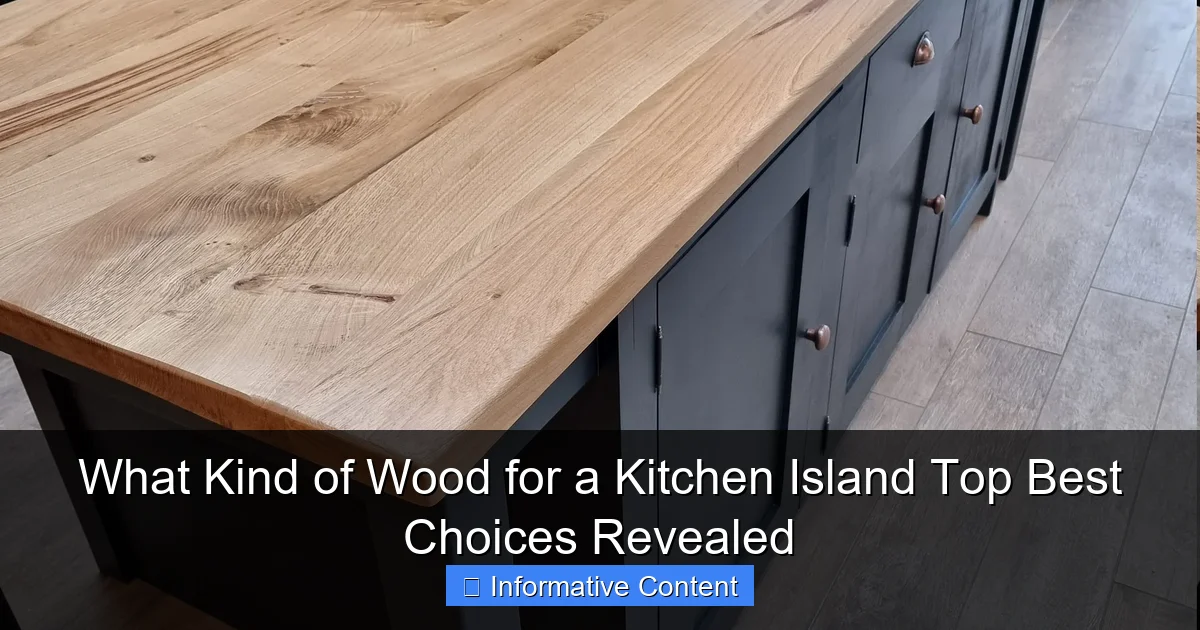
Featured image for what kind of wood for a kitchen island top
Image source: i.etsystatic.com
Hardwoods like maple, walnut, and oak are the top choices for kitchen island tops due to their durability, beauty, and resistance to wear. Each offers unique grain patterns and hardness levels—maple for resilience, walnut for rich color, and oak for classic appeal—making them ideal for high-traffic kitchens. Proper sealing is essential to protect the wood and maintain its stunning finish for years.
Key Takeaways
- Hardwoods like maple and oak offer durability and resist scratches for long-lasting use.
- Walnut adds elegance with rich grain patterns, ideal for high-end designs.
- Butcher block tops provide a classic, functional surface perfect for food prep.
- Seal wood properly to protect against moisture, stains, and daily wear.
- Reclaimed wood delivers sustainability and unique character with eco-friendly appeal.
- Consider maintenance needs—softwoods require more care than dense hardwoods.
📑 Table of Contents
- Why the Right Wood Choice for Your Kitchen Island Top Matters
- What to Look for in a Kitchen Island Wood Top
- Top 5 Best Wood Choices for a Kitchen Island Top
- Engineered and Reclaimed Wood Options
- Finishes, Sealing, and Maintenance Tips
- Cost Comparison and Value Considerations
- Final Thoughts: Choosing the Right Wood for Your Lifestyle
Why the Right Wood Choice for Your Kitchen Island Top Matters
Imagine this: You’ve spent weeks designing your dream kitchen. The cabinets are installed, the backsplash sparkles, and the lighting sets the mood just right. Now it’s time for the centerpiece—the kitchen island. It’s not just a surface for chopping veggies or serving pancakes; it’s where family gathers, where homework gets done, and where guests lean in for a chat. The island top has to be beautiful, durable, and practical. And if you’re leaning toward wood—because let’s be honest, nothing beats the warmth and character of real wood—then choosing the right kind is more important than you might think.
Wood brings a natural elegance and timeless charm to any kitchen. But not all wood is created equal. Some types resist scratches and spills better than others. Some darken beautifully over time, while others fade or stain unevenly. Some are budget-friendly, while others are luxury investments. Whether you’re remodeling or building from scratch, picking the right wood for your kitchen island top can make or break the look, feel, and functionality of your space. In this guide, I’ll walk you through the best wood choices for a kitchen island top, what to look for, and how to make a decision that fits your lifestyle, budget, and aesthetic goals—no fluff, just real talk from someone who’s been through it.
What to Look for in a Kitchen Island Wood Top
Before diving into specific wood types, let’s talk about what actually matters when choosing a wood for your island. It’s not just about how it looks in a showroom. You need to think long-term: durability, maintenance, cost, and how it fits into your daily life.
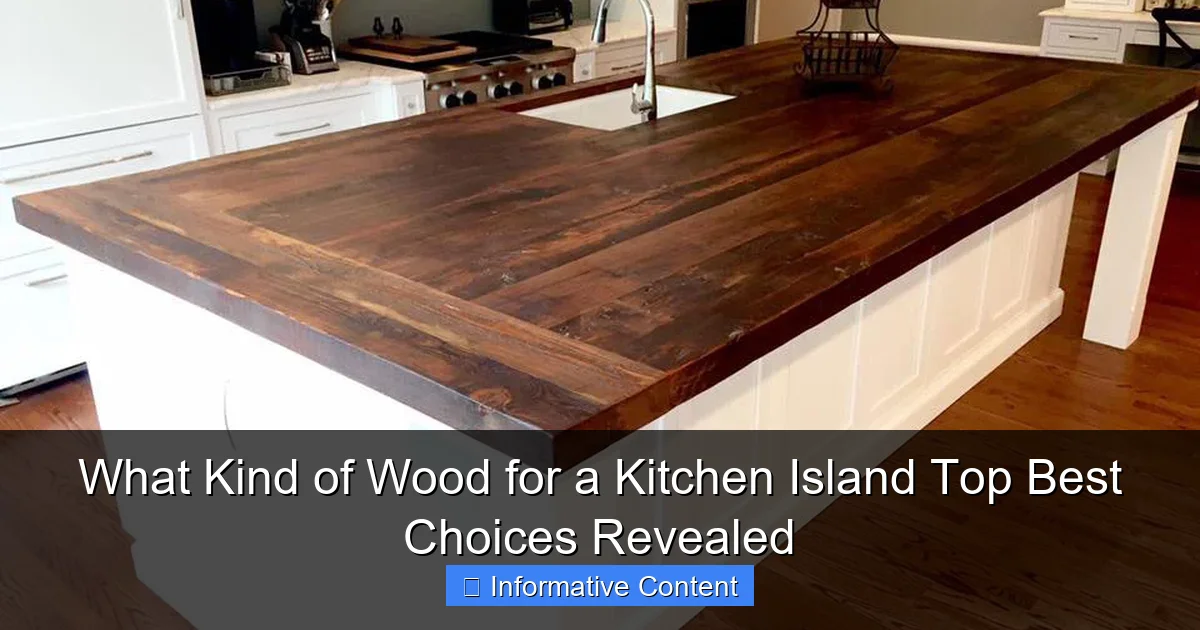
Visual guide about what kind of wood for a kitchen island top
Image source: areclaimed.com
Durability and Hardness
Kitchen islands face heavy use—knives, hot pans, spills, kids, pets. The Janka hardness test is a good starting point. It measures how much force it takes to embed a steel ball into wood, giving you a sense of scratch and dent resistance. For example, balsa wood (very soft) scores around 100, while Brazilian walnut (very hard) scores over 3,000. For a kitchen island, aim for a wood with a Janka rating above 1,000. This ensures it can handle daily wear without looking battered in a year.
Stability and Moisture Resistance
Wood moves. It expands and contracts with humidity and temperature changes. If the wood isn’t properly dried or sealed, it can warp, crack, or cup over time—especially in a kitchen with steam from cooking, dishwashers, or even just damp sponges. Look for kiln-dried wood (moisture content around 6–8%) and consider engineered wood or end-grain constructions, which are more stable than plain planks.
Maintenance and Finish
Some woods need oiling every few months. Others are sealed with polyurethane and can be wiped clean with a damp cloth. Think about how much time and effort you’re willing to spend. Do you want a low-maintenance surface, or are you okay with a little extra care for that authentic, hand-rubbed look? Also, consider the finish. Oil finishes enhance grain and are easy to spot-repair, but they require regular reapplication. Polyurethane is tougher and more water-resistant but harder to refinish if damaged.
Aesthetic and Grain Patterns
Wood grain affects both beauty and function. Open-grained woods (like oak or ash) show more texture and can hide small scratches better. Closed-grained woods (like maple or cherry) have a smoother look but may show knife marks more easily. Think about the style of your kitchen: rustic, modern, farmhouse, or minimalist. The grain and color should complement the rest of your design.
Cost and Availability
Exotic woods like tigerwood or bubinga are stunning but can be expensive and hard to source. Domestic hardwoods like maple, oak, and walnut are more affordable and widely available. Also, consider whether you want solid wood or a wood veneer over a plywood core. Solid wood is more authentic and can be refinished multiple times, while engineered tops are more stable and often cheaper.
Pro tip: Always get a sample of the wood you’re considering. Hold it under your kitchen lighting, scratch it with a key (gently!), and imagine it with your countertop appliances. Real-world testing beats online photos every time.
Top 5 Best Wood Choices for a Kitchen Island Top
Now that you know what to look for, let’s explore the best wood types for a kitchen island top. These are my top picks based on real-world performance, beauty, and value.
1. Maple – The Workhorse of Kitchen Wood
Maple is a go-to for good reason. It’s hard (Janka 1,450), durable, and has a fine, uniform grain that works in almost any kitchen style. Its light color brightens up a space and pairs beautifully with both light and dark cabinets. Maple resists scratches and dents better than softer woods, making it ideal for families or frequent cooks.
One thing to note: pure white maple can show knife marks over time, especially if you use a clear oil finish. But this also gives it a “lived-in” charm. Many people love the way maple ages—developing a soft amber patina. For a more uniform look, choose “sugar maple” or “hard maple” and seal it with a water-resistant finish like polyurethane.
Real-world example: My sister has a maple island top in her modern farmhouse kitchen. After five years of daily use (including her kids cutting sandwiches on it), it has a few knife marks, but she loves the character. She oiled it twice a year, and it still looks rich and warm.
2. White Oak – Timeless Beauty with Strength
White oak is a classic for a reason. It’s strong (Janka 1,360), water-resistant (great for spills), and has a beautiful open grain with a subtle cathedral pattern. Unlike red oak, white oak has a cooler, more neutral tone that works in modern, Scandinavian, or traditional kitchens.
One standout feature: white oak is highly resistant to moisture, thanks to its tyloses (natural cell structures that block water). This makes it a smart choice if your island includes a sink, bar area, or frequent wet use. It also stains beautifully, so you can customize the color to match your cabinets.
Tip: If you want a “white” look without the high cost of bleached maple, white oak with a light stain can give you that airy, modern vibe.
3. Walnut – Luxury with Warmth
Walnut is the king of luxury woods. Its rich, dark chocolate color and flowing grain add instant sophistication. With a Janka rating of 1,010, it’s not the hardest wood, but it’s plenty durable for most kitchens—especially if you use a good sealant.
Walnut’s real strength is its aesthetic. It pairs beautifully with stainless steel, marble, or even concrete countertops. It’s also less prone to showing knife marks than lighter woods, thanks to its dark tone. Over time, walnut develops a warm, almost reddish patina that deepens with light exposure.
Caution: Walnut is more expensive than maple or oak, and it can be sensitive to sunlight (may fade or yellow). Use UV-protective finishes if your island is near a window.
4. Ash – The Underappreciated Contender
Ash is often overlooked, but it deserves more attention. It’s strong (Janka 1,320), has a bold grain similar to oak, and is more affordable than walnut or maple. Its light color and prominent grain make it perfect for rustic, industrial, or mid-century modern kitchens.
Ash is also highly workable, so it’s great for custom shapes, live edges, or curved designs. It stains well, so you can lighten or darken it to match your style. The only downside? It’s more susceptible to moisture than oak, so sealing is crucial.
Personal note: I used ash for my own island top. I wanted something with character but didn’t want to spend a fortune. After sealing it with tung oil, it’s held up beautifully—even with my clumsy coffee spills.
5. Cherry – Elegance That Ages Gracefully
Cherry is a favorite for high-end kitchens. It’s moderately hard (Janka 950), so it’s best for households with lighter use. But its real magic is in how it ages. Cherry starts as a pale pinkish tan and deepens over time into a rich, reddish-brown—like fine wine.
The grain is fine and straight, giving it a smooth, elegant look. It’s perfect for traditional, craftsman, or transitional kitchens. Cherry is also very stable and resists warping well, especially when properly dried and sealed.
Warning: Cherry is sensitive to light. It darkens dramatically with UV exposure, so avoid placing it near sunny windows unless you want an uneven color. Also, it’s more prone to dents than maple or oak, so use cutting boards.
Engineered and Reclaimed Wood Options
Sometimes, solid wood isn’t the best fit—especially if you want extra stability, a unique look, or a more sustainable option. That’s where engineered and reclaimed wood come in.
Engineered Wood Tops
These are made from thin layers of real wood glued over a plywood or MDF core. The top layer (called the “veneer”) is the wood you see and touch. The core provides stability, reducing the risk of warping or cracking.
Engineered wood is great for large islands (over 8 feet) or in humid climates. It’s also often cheaper than solid wood. The downside? The veneer is usually 1/8 inch or less, so you can only sand it once or twice before hitting the core. Also, not all veneers are equal—look for thick, high-quality cuts from reputable manufacturers.
Best for: Large islands, modern designs, or budget-conscious projects where solid wood isn’t practical.
Reclaimed Wood – Character and Sustainability
Reclaimed wood comes from old barns, factories, or furniture. It’s full of history—nail holes, saw marks, patina—and adds instant character to a kitchen. It’s also eco-friendly, reducing the need for new logging.
Reclaimed wood is often made from old-growth trees, which are denser and more stable than modern wood. But it requires extra prep: cleaning, planing, and sealing to remove dirt, insects, or old finishes. It can also be more expensive due to labor and sourcing.
Pro tip: If you go this route, work with a skilled woodworker. Reclaimed wood isn’t always uniform, and you’ll need someone who can handle the quirks.
Example: A friend used reclaimed oak from a 19th-century barn for her island. It has beautiful gray streaks and old nail marks. She sealed it with food-safe epoxy to protect it and now gets compliments from everyone who visits.
Finishes, Sealing, and Maintenance Tips
No matter which wood you choose, the finish is what protects it and defines its look. Here’s how to get it right.
Oil Finishes (Tung Oil, Linseed Oil)
Oil finishes penetrate the wood, enhancing the grain and giving a natural, matte look. They’re easy to apply and repair—just sand and re-oil a small area if it gets scratched.
But oils don’t offer the same water resistance as polyurethane. You’ll need to reapply every 3–6 months, especially in high-use areas. Tung oil is more durable than boiled linseed oil and food-safe once cured.
Best for: People who love a natural look and don’t mind regular maintenance.
Polyurethane (Water-Based or Oil-Based)
Polyurethane creates a hard, plastic-like coating that resists water, heat, and scratches. Water-based poly dries clear and is less yellowing; oil-based adds warmth and amber tones.
It’s more durable than oil and requires less maintenance (wipe clean, reseal every few years). But if it gets damaged, repairs are harder—you often need to sand the whole surface.
Best for: Busy kitchens, families, or anyone who wants low maintenance.
Food-Safe Options
If you plan to cut food directly on the island, choose a food-safe finish. Mineral oil, walnut oil, or FDA-approved food-grade polyurethane are safe choices. Avoid finishes with VOCs or toxic chemicals.
Note: Even with food-safe finishes, use cutting boards. Knives can still damage wood, and bacteria can hide in tiny scratches.
Daily Care Tips
- Wipe spills immediately—especially water, wine, or citrus.
- Use coasters under drinks and trivets under hot pans.
- Clean with a damp cloth and mild soap. Avoid harsh cleaners or abrasive pads.
- For oiled tops, reapply oil when the wood looks dry or dull.
- For poly, reseal every 2–3 years or when water stops beading.
Cost Comparison and Value Considerations
Wood prices vary widely. Here’s a quick look at average costs per square foot for common island top woods (based on 2024 data):
| Wood Type | Janka Hardness | Cost Range (per sq ft) | Best For |
|---|---|---|---|
| Maple | 1,450 | $15–$25 | Durability, light color, modern kitchens |
| White Oak | 1,360 | $18–$30 | Water resistance, classic grain, traditional style |
| Walnut | 1,010 | $25–$40 | Luxury, dark tone, high-end kitchens |
| Ash | 1,320 | $12–$20 | Rustic look, budget-friendly, bold grain |
| Cherry | 950 | $20–$35 | Elegant aging, fine grain, traditional style |
| Reclaimed Wood | Varies | $25–$50+ | Unique character, sustainability, custom designs |
Remember: cost isn’t just about the wood. Installation, sealing, and labor can add $50–$100 per square foot. Engineered or prefinished tops might save money upfront but limit long-term refinishing options.
Value tip: A solid wood top can last 20+ years with proper care. That’s a long-term investment, not a quick fix. Choose based on your lifestyle, not just your budget.
Final Thoughts: Choosing the Right Wood for Your Lifestyle
Choosing the right wood for your kitchen island top isn’t just about looks—it’s about how you live. If you’re a busy parent with kids and pets, maple or white oak might be your best bet. If you love cooking and want a surface that can handle a little abuse, go for a durable finish on a hard wood. If you’re drawn to luxury and don’t mind a little extra care, walnut or cherry can be worth the splurge.
And don’t forget the emotional side. Your kitchen island is more than a countertop. It’s where stories are shared, meals are made, and memories are built. The wood you choose should reflect that. Whether it’s the warm glow of walnut, the clean lines of maple, or the history in reclaimed oak, pick something that feels like home.
Take your time. Get samples. Talk to woodworkers. Think about how you use your kitchen every day. And when you finally see that island top installed—smooth, rich, and full of promise—you’ll know you made the right choice. After all, the best wood isn’t the most expensive or the trendiest. It’s the one that fits your life, your style, and your story.
Frequently Asked Questions
What kind of wood is best for a kitchen island top in terms of durability?
Hardwoods like maple, oak, and walnut are top choices for kitchen island tops due to their durability and resistance to scratches and dents. These woods also handle heavy use and frequent cleaning, making them ideal for high-traffic areas.
Which affordable wood options work well for a kitchen island top?
Pine and birch are budget-friendly wood choices for kitchen island tops, offering a balance of cost and functionality. While softer than hardwoods, they can still perform well with proper sealing and regular maintenance.
What kind of wood for a kitchen island top provides the most attractive grain patterns?
Walnut and white oak are prized for their rich, distinctive grain patterns, adding elegance to any kitchen. Both woods stain beautifully and age gracefully, enhancing the island’s visual appeal over time.
Is butcher block a good option for a kitchen island top?
Yes, butcher block made from maple or walnut is a popular kitchen island top choice because it’s durable, functional, and adds warmth to the space. It also allows for cutting and food prep directly on the surface when properly sealed.
How do I choose a wood type that resists water damage for my kitchen island top?
Opt for dense, water-resistant woods like teak or white oak, which naturally repel moisture and are less prone to warping. Always apply a high-quality waterproof finish to protect the wood from spills and humidity.
What kind of wood for a kitchen island top requires the least maintenance?
Maple and walnut are low-maintenance options for kitchen island tops due to their tight grain and resistance to wear. Regular oiling or sealing keeps them looking new without frequent repairs or refinishing.