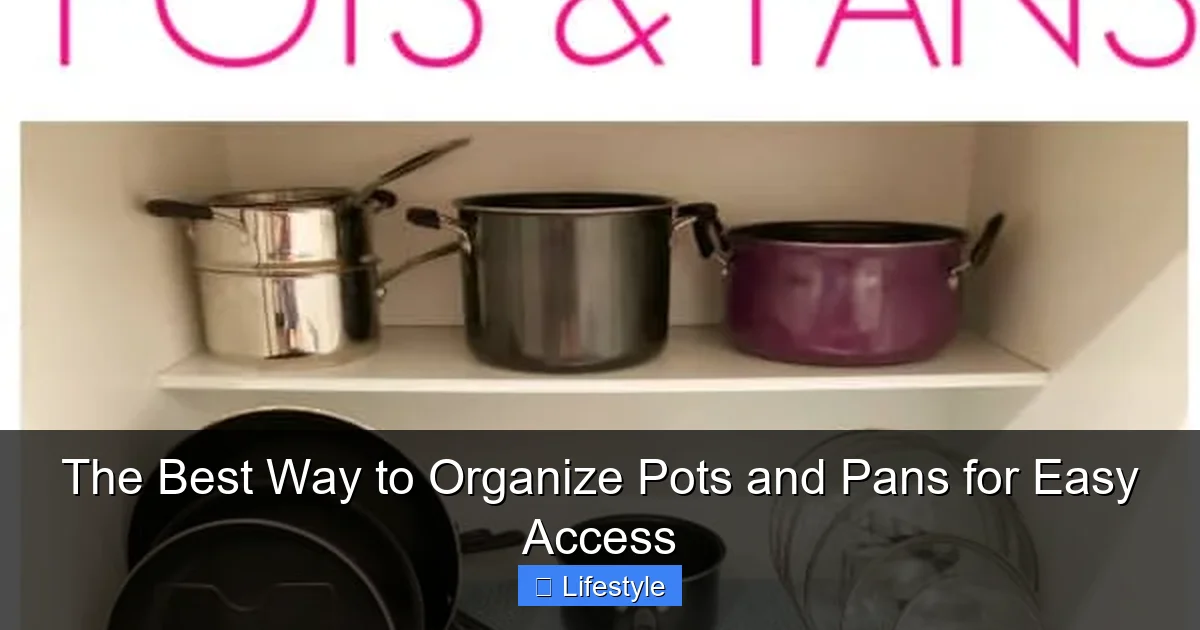
Featured image for this comprehensive guide about The best way to organize pots and pans
Image source: organizationobsessed.com
Ever found yourself on a culinary quest, rummaging through a noisy, teetering pile of metal, just to find that one elusive saucepan lid? Or perhaps you’ve opened a cabinet door, only for a cascade of baking sheets and frying pans to threaten a full-scale kitchen avalanche? If this sounds all too familiar, you’re not alone. For many home cooks, the chaotic jumble of cookware is a daily frustration, turning the simple act of preparing a meal into an archaeological dig. But what if there was a better way? What if every pot, pan, and lid had its designated spot, easily accessible, and always ready for action?
The truth is, a well-organized kitchen isn’t just about aesthetics; it’s about efficiency, safety, and even extending the life of your valuable cookware. Imagine gliding through your cooking routine, effortlessly grabbing the right sized pan, knowing exactly where its lid awaits. This isn’t a fantasy reserved for professional chefs or showroom kitchens – it’s an achievable reality for anyone willing to invest a little time and smart planning. In this comprehensive guide, we’ll explore the best way to organize pots and pans, transforming your kitchen from a clutter zone into a haven of culinary calm. Get ready to unlock the secrets to stress-free cooking and discover organization solutions that truly work for your space and your style.
From clever cabinet configurations to innovative wall storage, we’ll delve into actionable tips and smart products designed to help you conquer cookware chaos. Say goodbye to scratched surfaces and hello to seamless meal preparation. Let’s embark on this journey to create an organized kitchen where your pots and pans are always within reach, and your cooking experience is nothing short of delightful.
Quick Answers to Common Questions
Where’s the best place to organize pots and pans in my kitchen?
Cabinets directly beneath or beside your stove are prime real estate! Deep drawers are even better, allowing you to access items without awkward bending or stacking.
How can I organize pots and pans without them scratching each other?
Invest in pan protectors or felt dividers that go between stacked items. You can also use a vertical pot and pan organizer rack to keep them separated and easily accessible.
What’s the best way to organize pots and pans lids? They’re always a mess!
Lid organizers, either mounted inside a cabinet door or as a wire rack within a drawer, are a game-changer. This keeps them tidy and matched with their respective pots.
Should I declutter before I try to organize pots and pans?
Absolutely! Before you start, go through everything and get rid of unused, damaged, or duplicate items. Less clutter makes it much easier to organize pots and pans effectively.
What’s one simple trick to quickly organize pots and pans for easy access?
Store pots with their lids, either nested together or using a lid organizer. This immediately cuts down on rummaging and makes finding what you need a breeze.
📋 Table of Contents
- Why Pot and Pan Organization Matters Beyond Just Looks
- Before You Organize: Declutter, Downsize, and Assess
- Top Strategies for Organizing Pots and Pans in Cabinets
- Maximizing Drawers and Pull-Outs for Cookware Storage
- Creative & Space-Saving Solutions: Hanging, Walls, and More
- Maintaining Your Organized Cookware System
- Comparative Overview of Popular Cookware Organization Solutions
- Conclusion: Embrace the Joy of an Organized Kitchen
Why Pot and Pan Organization Matters Beyond Just Looks
Beyond the immediate visual appeal of a tidy kitchen, a systematic approach to pot and pan organization offers a cascade of benefits that profoundly impact your daily cooking life. While a clean and organized space certainly feels good, the advantages extend far beyond surface-level aesthetics.
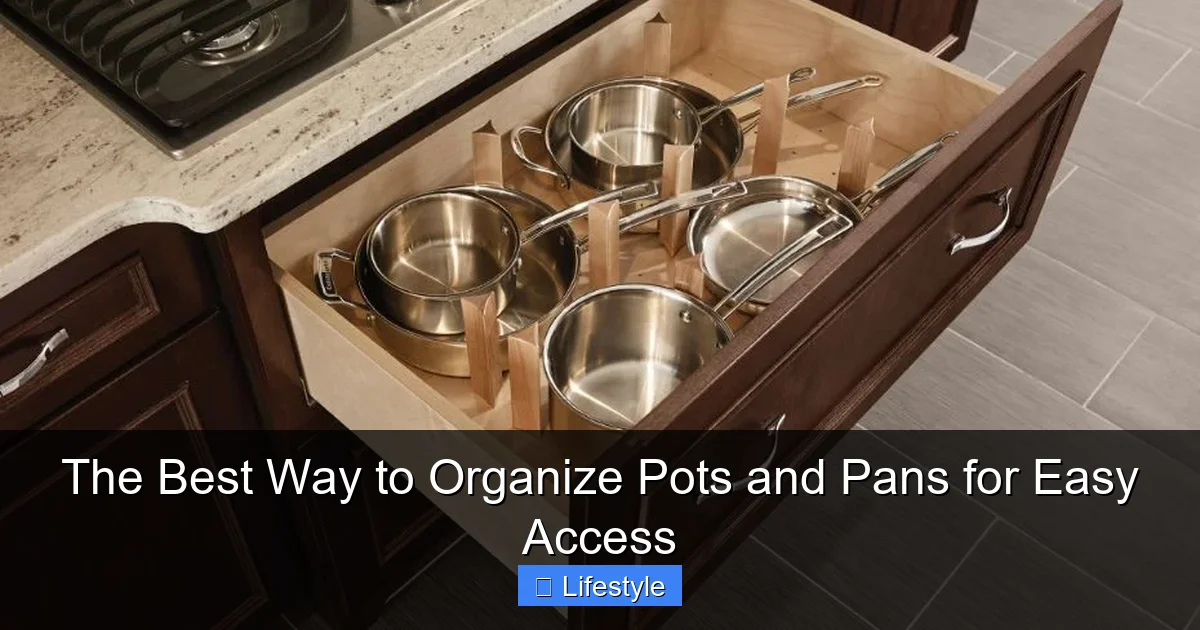
Learn more about The best way to organize pots and pans – The Best Way to Organize Pots and Pans for Easy Access
Image source: kraftmaid.com
Saving Time and Reducing Stress
Consider the cumulative time spent rummaging for a specific item. Studies have shown that a disorganized environment can significantly increase stress levels and reduce productivity. When your pots, pans, and lids are neatly stored, you eliminate the frantic search, saving precious minutes – sometimes even tens of minutes – per cooking session. Over a week, a month, or a year, this translates into hours reclaimed, allowing you more time to enjoy your meal or simply relax. A recent survey by The Container Store indicated that 77% of Americans feel more productive when their homes are organized. Imagine that productivity translating directly into your kitchen!
| Organization Method | Primary Benefits | Key Considerations | Best Suited For |
|---|---|---|---|
| Vertical Stacking (Nesting) | Maximizes vertical cabinet space; no extra cost. | Can scratch non-stick coatings; difficult to access bottom items; heavy to lift. | Small kitchens with limited budget; infrequent use of all items. |
| Pot & Pan Lid Organizers (Vertical Slots) | Prevents scratching; easy access to individual items; organizes lids. | Requires specific cabinet width/depth; might not fit unusually shaped items. | Mid-sized kitchens; protecting cookware; keeping lids with pots. |
| Pull-out Cabinet Organizers / Drawer Dividers | Excellent accessibility; keeps items separated and tidy; reduces bending. | Higher upfront cost; requires installation; uses some cabinet depth for mechanism. | Modern kitchens; those with mobility issues; desire for high organization. |
| Overhead Pot Rack (Ceiling/Wall Mounted) | Frees up cabinet/drawer space; attractive display; immediate access. | Requires drilling into studs; can feel cluttered in small kitchens; potential for drips. | Larger kitchens with high ceilings; showcasing attractive cookware; saving lower storage. |
| Pegboard System (Wall Mounted) | Highly customizable; visual organization; versatile for various tools; affordable. | Requires dedicated wall space; can look cluttered; items may get dusty; installation required. | Creative cooks; smaller kitchens without much cabinet space; easy visual access. |
Protecting Your Investment
High-quality cookware can be a significant investment. When pots and pans are haphazardly stacked, they are prone to scratches, dents, and chipped non-stick coatings. Metal-on-metal contact, especially when pulling out items from the bottom of a stack, is a primary culprit for damage. Proper cookware storage solutions, such as vertical racks or protective felt liners, keep each piece separate and secure, preserving their condition and extending their lifespan. This means less frequent replacements and better performance from your existing set.
Maximizing Kitchen Space
Kitchen real estate, especially in smaller homes or apartments, is often at a premium. Disorganized cookware can quickly monopolize valuable cabinet and drawer space, making your kitchen feel cramped and inefficient. Effective kitchen organization techniques free up crucial storage areas, making your kitchen feel larger and more functional. By utilizing vertical space, implementing clever dividers, and rethinking traditional storage, you can unlock hidden potential in even the most compact kitchens.
Enhancing Safety and Ergonomics
Reaching into a dark, overcrowded cabinet for a heavy pot can be a recipe for disaster. The risk of dropping heavy items, straining your back, or even getting pinched by shifting cookware is real. Thoughtful kitchen storage ensures that items are easily accessible, preventing accidents and promoting better ergonomics. Heavy pots can be stored in lower, pull-out drawers, while frequently used items are kept within easy reach, reducing bending and reaching.
In essence, taking the time to organize pots and pans isn’t a chore; it’s an investment in a more enjoyable, efficient, and safer cooking experience. It transforms your kitchen from a source of frustration into a streamlined culinary workspace.
Before You Organize: Declutter, Downsize, and Assess
Before you dive into buying organizers or rearranging your cabinets, the most crucial step in creating an effective pot and pan organization system is a thorough decluttering and assessment phase. Think of it as preparing the canvas before painting a masterpiece. This initial purge will save you time, money, and frustration in the long run.
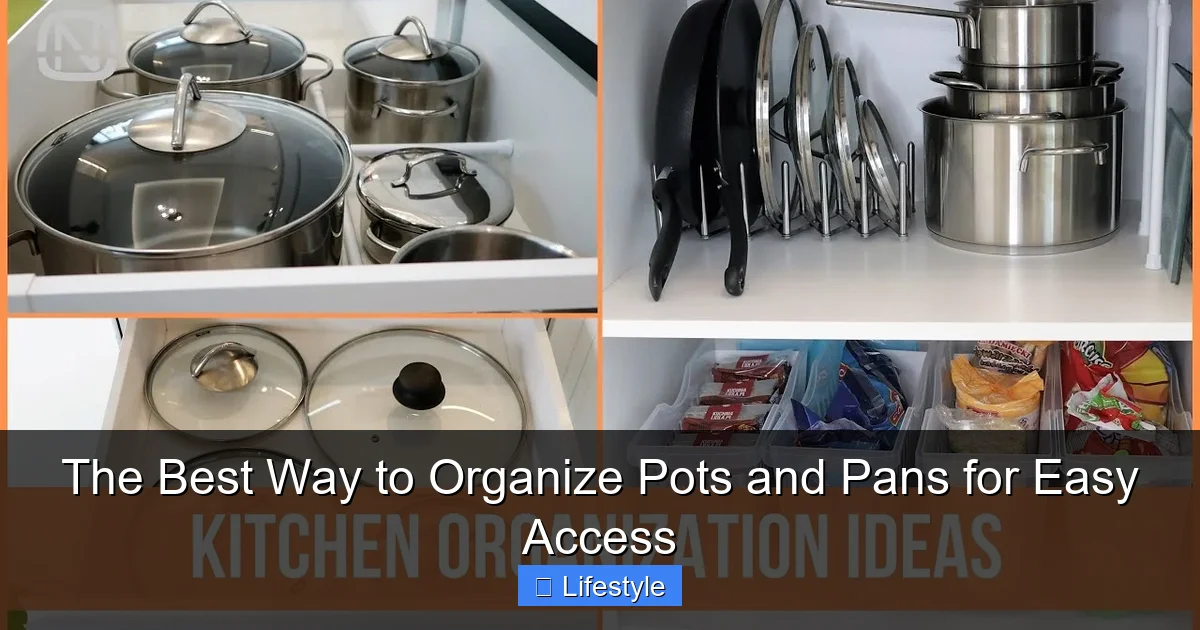
Learn more about The best way to organize pots and pans – The Best Way to Organize Pots and Pans for Easy Access
Image source: i.ytimg.com
The Great Cookware Purge: Decluttering and Downsizing
Be honest with yourself: do you truly use every single pot, pan, and lid you own? Many kitchens harbor forgotten duplicates, hand-me-down items past their prime, or specialty pieces used once a decade. This is your chance to lighten the load.
- Discard Damaged Items: Get rid of pots and pans with warped bottoms, broken handles, excessive scratching, or severely chipped non-stick coatings. These not only perform poorly but can also pose health risks (e.g., flaking non-stick).
- Eliminate Duplicates: Do you really need three 10-inch frying pans or five saucepans of similar size? Keep the best one or two and donate the rest.
- Re-evaluate Specialty Items: That paella pan or giant stockpot for annual holiday use might be better stored in a less accessible area, or even considered for donation if you rarely use it.
- Check for Missing Lids/Mismatched Sets: A pan without its lid, or a lid without its pan, is simply clutter. Match them up or let them go.
- Consider Your Cooking Style: If you rarely deep-fry, that dedicated deep fryer might be taking up valuable space. If you’re a minimalist cook, embrace a smaller, high-quality set.
The goal here is to keep only the cookware you regularly use, love, and that functions effectively. Less stuff means less to organize pots and pans, and more functional space.
Assess Your Space: Understanding Your Kitchen’s Potential
Once you’ve pared down your collection, it’s time to become an architect of your own kitchen. Understanding your available storage space is key to choosing the right organization solutions.
- Measure Everything:
- Cabinet Dimensions: Height, width, and depth of each cabinet. Pay attention to door hinges or internal structures that might obstruct organizers.
- Drawer Dimensions: Internal height, width, and depth. Note if drawers are deep enough for stacked items or vertical organizers.
- Wall Space: Empty wall sections (e.g., above a window, next to the stove) that could accommodate hooks or shelves.
- Pantry Space: If you have one, measure its shelves and open areas.
- Identify Prime Real Estate:
- Frequently Used Items: These should be stored in the most accessible spots – typically eye-level or waist-level cabinets/drawers near your cooking zone.
- Infrequently Used Items: Can be stored higher up, in deeper corners, or in a pantry.
- Heavy Items: Best kept in lower cabinets or deep drawers to minimize heavy lifting.
- Consider Traffic Flow: Think about how you move around your kitchen. Do you want to reach across the entire space for a lid? Organize items logically based on your workflow.
This assessment phase is critical. Don’t skip it! It ensures that any organizers you purchase are the right size and that your new system truly enhances your kitchen’s functionality. With a decluttered collection and a clear understanding of your space, you’re now ready to implement effective kitchen organization strategies.
Top Strategies for Organizing Pots and Pans in Cabinets
Cabinets are often the primary home for cookware, but without a smart system, they quickly become a cluttered abyss. The key to effective cabinet organization for pots and pans lies in utilizing vertical space and making items easily retrievable. Here are some of the most effective strategies:
Vertical Pot and Pan Organizers: The Game Changer
Instead of stacking pots and pans directly on top of each other, which leads to scratches and difficult access, vertical organizers allow you to store them on their sides, like files in a folder. This is perhaps the best way to organize pots and pans for maximizing cabinet space and protecting your cookware.
- Adjustable Wire Racks: These are incredibly versatile. They feature adjustable dividers that can be spaced to fit different pan sizes, from small frying pans to large sauté pans. They come in various heights and lengths to fit most cabinet dimensions.
- Pot Lids Organizer Racks: A common frustration is the pile of lids. Dedicated lid organizers come in several forms:
- Freestanding Racks: Designed to hold lids upright, either in a cabinet or a deep drawer.
- Cabinet Door Mounts: These attach to the inside of a cabinet door, keeping lids out of the way and freeing up shelf space. Ensure your cabinet door has enough clearance when closed.
- In-Cabinet Stacking Racks: While not fully vertical, these racks offer tiers to stack pots and pans more strategically, often with a slight offset, making it easier to grab a pot without disturbing the others. Look for sturdy designs that can handle the weight.
Pull-Out Shelves and Sliding Organizers
If your budget allows, installing pull-out shelves or sliding organizers within your base cabinets can revolutionize accessibility, especially for heavier items or deep cabinets.
- Full Extension Pull-Outs: These allow you to slide your entire shelf or basket out of the cabinet, bringing everything into view and easy reach. They’re excellent for heavy stockpots or large sets.
- Two-Tier Sliding Organizers: These units offer two levels of storage, typically a smaller top basket for lids or smaller pans, and a larger bottom shelf for bigger items.
These solutions require some installation but dramatically reduce bending and rummaging, making them a fantastic investment for long-term kitchen organization.
Corner Cabinet Solutions: Conquering the Dead Space
Corner cabinets are notorious for being deep, dark, and difficult to organize. However, with the right tools, they can become valuable storage areas.
- Lazy Susans (Turntables): These rotating shelves are perfect for making items in deep corner cabinets accessible. You simply spin them to bring desired pots or pans to the front. They come in various diameters and materials.
- “Magic Corner” or “LeMans” Pull-Outs: These sophisticated systems feature shelves that slide out and then pivot, bringing the entire contents of the corner cabinet fully into the open. They are an excellent, albeit more expensive, solution for maximizing every inch of corner space.
Protective Measures for Stacking
Even with organizers, some degree of stacking might be necessary, especially for nesting sets. Always use protective measures:
- Felt or Silicone Pan Protectors: These soft pads are placed between stacked pots and pans to prevent scratches and chipping of non-stick coatings. They are inexpensive and highly effective.
- Bubble Wrap/Kitchen Towels: In a pinch, a clean kitchen towel or even bubble wrap can serve as a temporary protector between stacked items.
By combining these strategies, you can transform cluttered cabinets into highly functional, easily accessible storage spaces, proving that pot and pan organization in cabinets can be both efficient and protective of your cookware.
Maximizing Drawers and Pull-Outs for Cookware Storage
Deep drawers and pull-out shelves are arguably the most ergonomic and efficient locations for storing pots and pans. They offer easy access, minimize bending, and keep your cookware neatly tucked away. If your kitchen is equipped with these, you’re in an excellent position to achieve superior cookware storage solutions.
Deep Drawers: The Ideal Home for Heavy Cookware
Deep base cabinet drawers are a dream for cookware organization. Their sturdy construction and full-extension slides can easily bear the weight of cast iron skillets, Dutch ovens, and large stockpots. Here’s how to make the most of them:
- Vertical Dividers and Racks: Just like in cabinets, vertical racks are fantastic for drawers. They allow you to store frying pans and saucepans on their sides, preventing scratches and making it easy to grab the one you need without disturbing the stack. Look for drawer-specific organizers that fit snugly.
- Dedicated Lid Storage: Many vertical organizers for pans also have slots or sections for lids. Alternatively, you can use small, adjustable dividers within the drawer to create specific compartments for lids, standing them on their edge.
- Pegboard Drawers: Some high-end kitchen systems offer drawers with a customizable pegboard base. You can place wooden or plastic pegs anywhere on the board to create custom compartments for pots, pans, and even oddly shaped items, securing them in place. This is an incredibly versatile option for drawer organization.
- Nesting Sets: If you have a nesting set of pots or pans, deep drawers are perfect. Use felt protectors between each piece to prevent damage. Place the lids in a dedicated lid organizer or in their own section within the drawer.
- Heavy-Duty Sliders: If you’re retrofitting standard cabinets with drawers, ensure you use heavy-duty drawer slides capable of supporting the weight of your cookware. This prevents sagging and ensures smooth operation for years to come.
Optimizing Pull-Out Pantry Shelves for Cookware
If you have a pantry with pull-out shelves, consider dedicating a lower shelf or two to larger, less frequently used pots and pans, or even specialty baking dishes.
- Tiered Racks for Baking Sheets/Cutting Boards: While not strictly pots and pans, many pantries end up storing these items. Slender, vertical tiered racks are perfect for storing baking sheets, muffin tins, cooling racks, and cutting boards on their side, keeping them separate and easily accessible.
- Dividers for Casserole Dishes: Use adjustable dividers to create vertical slots for casserole dishes, keeping them from stacking and chipping.
- Dedicated Zones: Assign specific shelves or sections of your pull-out pantry to different types of cookware. For example, one shelf for large roasting pans, another for seldom-used stockpots.
The beauty of drawers and pull-outs is their inherent accessibility. By combining them with smart organizing inserts, you can achieve a highly functional and durable pot and pan organization system that makes cooking a joy rather than a chore.
Creative & Space-Saving Solutions: Hanging, Walls, and More
When cabinet and drawer space is limited, or you simply want to add a touch of culinary flair to your kitchen, thinking outside the box can yield incredibly effective and aesthetic cookware storage solutions. These creative methods leverage often-overlooked spaces, freeing up prime cabinet real estate and adding character to your kitchen.
Wall-Mounted Pot Racks: Functional Art
A classic solution for a reason, wall-mounted pot racks are excellent for displaying your cookware and keeping it within easy reach. They free up cabinet space, reduce digging, and can add a rustic or industrial touch to your decor.
- Placement is Key: Install them on an empty wall near your stove or prep area for maximum convenience. Ensure the wall is sturdy enough to support the weight of your entire collection.
- Style and Material: Choose a rack that complements your kitchen’s aesthetic – from sleek stainless steel to wrought iron or natural wood.
- Utilize S-Hooks: S-hooks are your best friends here. Hang pots and pans by their handles. Consider hanging lids on smaller hooks or using a separate small rack nearby.
- Small Kitchens: In a small kitchen, a narrow wall-mounted rack above the sink or along an unused wall can make a huge difference in small kitchen storage.
Ceiling-Mounted Pot Racks: A Statement Piece
If you have high ceilings or a kitchen island, a ceiling-mounted pot rack can be a stunning focal point and a highly functional storage solution. They are particularly good for larger collections and can accommodate even the heaviest cast iron.
- Consider Headroom: Ensure the rack is installed at a height where it won’t impede movement or block sightlines.
- Professional Installation: Due to the weight and critical placement, professional installation is often recommended to ensure it’s securely anchored into ceiling joists.
- Maximizing Capacity: Many ceiling racks have grids, allowing you to hang pots both from the top and sometimes even place lids or smaller items on the grid itself.
Pegboard Walls: Customizable and Adaptable Storage
Pegboards aren’t just for garages! A kitchen pegboard provides a highly customizable and flexible storage system for pots, pans, and other kitchen tools. It’s a fantastic solution for kitchen organization, especially in a small space or for renters.
- Designated Zone: Dedicate a section of your kitchen wall to pegboard storage.
- Hooks and Shelves: Use various hooks, small shelves, and baskets designed for pegboards to create a tailored storage system. Arrange and rearrange as your needs change.
- Outline for Order: For ultimate organization, you can even trace outlines of your pots and pans on the pegboard, ensuring every item has a specific spot and making it easy to put things back.
Pantry Shelving and Utility Closet Options
If you have a dedicated pantry or even a nearby utility closet, don’t overlook its potential for less frequently used or oversized cookware.
- Adjustable Shelving: Ensure pantry shelves are adjustable so you can create custom heights for large stockpots, roasters, or specialty baking items.
- Deep Bins/Baskets: Use large, sturdy bins or baskets on lower pantry shelves to contain awkward items like woks or pressure cookers.
- Vertical Dividers: Install vertical dividers on pantry shelves for baking sheets, cutting boards, or shallow casserole dishes.
Under-Sink Organizers: Utilizing Hidden Space
While often reserved for cleaning supplies, the space under the sink can sometimes accommodate smaller pots or pans, especially if you have a deep basin.
- Sliding Shelves: Install a U-shaped sliding shelf system that works around plumbing pipes.
- Tiered Organizers: Use small tiered organizers for lids or very small saucepans.
By exploring these creative avenues, you can dramatically improve your pot and pan organization, transforming overlooked spaces into functional and attractive storage solutions.
Maintaining Your Organized Cookware System
Implementing a brilliant pot and pan organization system is a huge accomplishment, but the real test is keeping it that way. An organized kitchen isn’t a one-time project; it’s an ongoing practice. Here’s how to ensure your cookware remains perfectly organized for the long haul.
The “One In, One Out” Rule and Regular Purges
To prevent clutter creep, adopt the “one in, one out” rule. When you buy a new pot or pan, commit to donating or discarding an old one. This prevents your collection from growing beyond your storage capacity.
- Seasonal Check-Ins: Schedule a quick “cookware audit” a couple of times a year (e.g., spring cleaning, end of year). This is a perfect time to reassess your needs, identify any damaged items, and ensure everything still has its proper place.
- Evaluate Usage: If you haven’t used a specific pot or pan in over a year, seriously consider if it’s essential. If not, it might be time to let it go.
Regular maintenance ensures that your initial efforts in declutter kitchen remain effective and prevent the return of chaos.
Designate a Spot for Everything (and Stick to It)
The foundation of any sustainable organization system is the principle: “A place for everything, and everything in its place.” Once you’ve designated a specific spot for each pot, pan, and lid, commit to returning it there after cleaning.
- Consistency is Key: This requires a conscious effort initially, but it quickly becomes a habit. When you know exactly where something belongs, putting it away is quick and mindless.
- Logical Grouping: Continue to store similar items together. For instance, all frying pans in one drawer, all saucepans in another, and lids with their corresponding pots or in a dedicated lid organizer.
- Avoid “Just for Now” Piles: Resist the urge to temporarily stash items in an unassigned spot. This is how disorganization begins to unravel your system.
Involve the Household in Your System
If you’re not the only cook in the house, it’s essential that everyone understands and respects the new kitchen organization system. A system that only one person follows is destined to fail.
- Communicate Clearly: Show family members where everything belongs. Explain the benefits of the new system (e.g., “now it’s easier to find the lid!”).
- Lead by Example: Consistently put items away correctly. Your actions will reinforce the system.
- Gentle Reminders: If someone forgets, offer gentle reminders rather than criticism. It takes time for new habits to form.
Adjust and Adapt as Needed
Life changes, and so might your cooking habits, cookware collection, or even your kitchen layout. Your organization system should be flexible enough to adapt.
- Be Open to Tweaks: If a particular spot isn’t working as efficiently as you thought, don’t be afraid to rearrange. Organization is a journey, not a destination.
- New Cookware: When you acquire new pieces, evaluate if they fit seamlessly into your current system or if a minor adjustment is needed.
- Observe and Improve: Pay attention to your workflow. Are you still struggling to find something? Is a particular area always cluttered? These are cues that your system might need an update.
By incorporating these maintenance strategies, your beautifully organized cookware system will not only endure but will continue to enhance your cooking experience for years to come. The effort invested in learning the best way to organize pots and pans will pay dividends in peace of mind and kitchen efficiency.
Comparative Overview of Popular Cookware Organization Solutions
Choosing the best way to organize pots and pans often comes down to balancing your kitchen’s layout, your budget, and your specific cookware collection. To help you decide, here’s a comparative look at some popular solutions:
| Organization Solution | Best For | Pros | Cons | Cost Estimate |
|---|---|---|---|---|
| In-Cabinet Vertical Rack | Maximizing cabinet space, protecting non-stick pans, easy access. | Affordable, easy to install, prevents scratches, highly efficient for flat pans. | Less ideal for very deep pots or items with irregular shapes. | $ |
| Pot Lids Organizer (Door/Freestanding) | Eliminating lid clutter, freeing up drawer/shelf space. | Inexpensive, dedicated spot for lids, saves prime storage. | Door-mounted needs cabinet clearance, freestanding can take up surface space. | $ |
| Deep Drawer with Dividers/Pegboard | Heavy cookware (cast iron, Dutch ovens), ultimate accessibility, protecting items. | Excellent ergonomics, hides clutter, highly customizable for various items. | Requires deep drawers, can be a more expensive kitchen feature. | $$ – $$$ |
| Wall-Mounted Pot Rack | Small kitchens, displaying attractive cookware, freeing up cabinet space. | Frees up valuable cabinet space, adds aesthetic appeal, very easy access. | Cookware collects dust, needs strong wall for installation, can look cluttered if not maintained. | $$ |
| Pull-Out Shelves/Sliding Organizers | Deep base cabinets, heavy items, improving accessibility in existing cabinets. | Brings items to you, reduces bending/straining, utilizes full depth of cabinet. | Can be expensive to retrofit, requires installation. | $$ – $$$ |
Cost Estimate Key: $ = Budget-friendly, $$ = Mid-range, $$$ = Higher investment.
This table provides a snapshot to help you weigh the pros and cons of each solution based on your specific needs, helping you make an informed decision on pot and pan organization for your unique kitchen.
Conclusion: Embrace the Joy of an Organized Kitchen
The journey to discover the best way to organize pots and pans might seem daunting at first, but as we’ve explored, it’s a deeply rewarding endeavor. From the initial purge of unused items to the strategic implementation of smart storage solutions, every step brings you closer to a more efficient, enjoyable, and beautiful kitchen. No more clattering stacks, no more frantic searches for that missing lid, and no more frustrating kitchen avalanches.
By understanding why pot and pan organization truly matters – in terms of time-saving, protecting your valuable cookware, maximizing precious kitchen real estate, and enhancing safety – you gain the motivation to make lasting changes. Whether you opt for the simplicity of vertical racks in your cabinets, the ergonomic elegance of deep drawer dividers, or the creative charm of a wall-mounted pot rack, the perfect solution for your home is within reach.
Remember, an organized kitchen is not just about neatly arranged items; it’s about creating a harmonious environment where cooking becomes a pleasure rather than a chore. It’s about empowering yourself with easy access to every tool you need, fostering a sense of calm and control in the heart of your home. So, take these actionable tips, assess your space, declutter with purpose, and invest in the right cookware storage solutions for you. Transform your kitchen today and embrace the joy and efficiency that comes with perfectly organized pots and pans. Your future self (and your dinner guests) will thank you!
Frequently Asked Questions
What’s the best way to organize pots and pans if I’m starting from scratch?
Begin by taking everything out of your cabinets and decluttering. Group similar items together and discard any unused, damaged, or excess pieces to assess your true storage needs. This initial purge is crucial for a successful and lasting organization system.
What are the most effective methods for organizing pots and pans in a typical kitchen?
Pull-out drawers with pegboards or adjustable dividers are highly effective for easy access and damage prevention. Alternatively, vertical pan organizers in lower cabinets, wall-mounted pot racks, or even overhead ceiling racks can be excellent space-savers depending on your kitchen layout.
How can I effectively organize pot and pan lids so they don’t get lost or clutter cabinets?
Lid organizers are essential for this common challenge. Consider using in-cabinet lid racks, adhesive lid holders on cabinet doors, or even simple tension rods to create dividers within drawers. Storing lids vertically saves significant space and makes finding the right one much easier.
I have a small kitchen; what are the best space-saving solutions to organize my pots and pans?
For small kitchens, vertical storage is your best friend. Look into wall-mounted pot racks, compact stackable pan organizers, or even magnetic strips for lighter lids. Storing less frequently used items in a pantry or on a dedicated utility cart can also free up prime cabinet space.
Are there specific products or tools that can help me organize pots and pans more efficiently?
Absolutely! Items like adjustable drawer dividers, non-slip cabinet liners, stackable pan and lid racks, and even felt pot protectors can make a huge difference. Pull-out shelving systems are also excellent for maximizing hard-to-reach cabinet spaces and ensuring easy access.
Once I’ve organized my pots and pans, how can I ensure it stays tidy long-term?
Establish a “one-in, one-out” rule for new purchases and always return items to their designated spots after use and cleaning. Periodically review your system every few months to ensure it’s still meeting your needs and make small adjustments as necessary. Consistency is key to maintaining an organized kitchen.